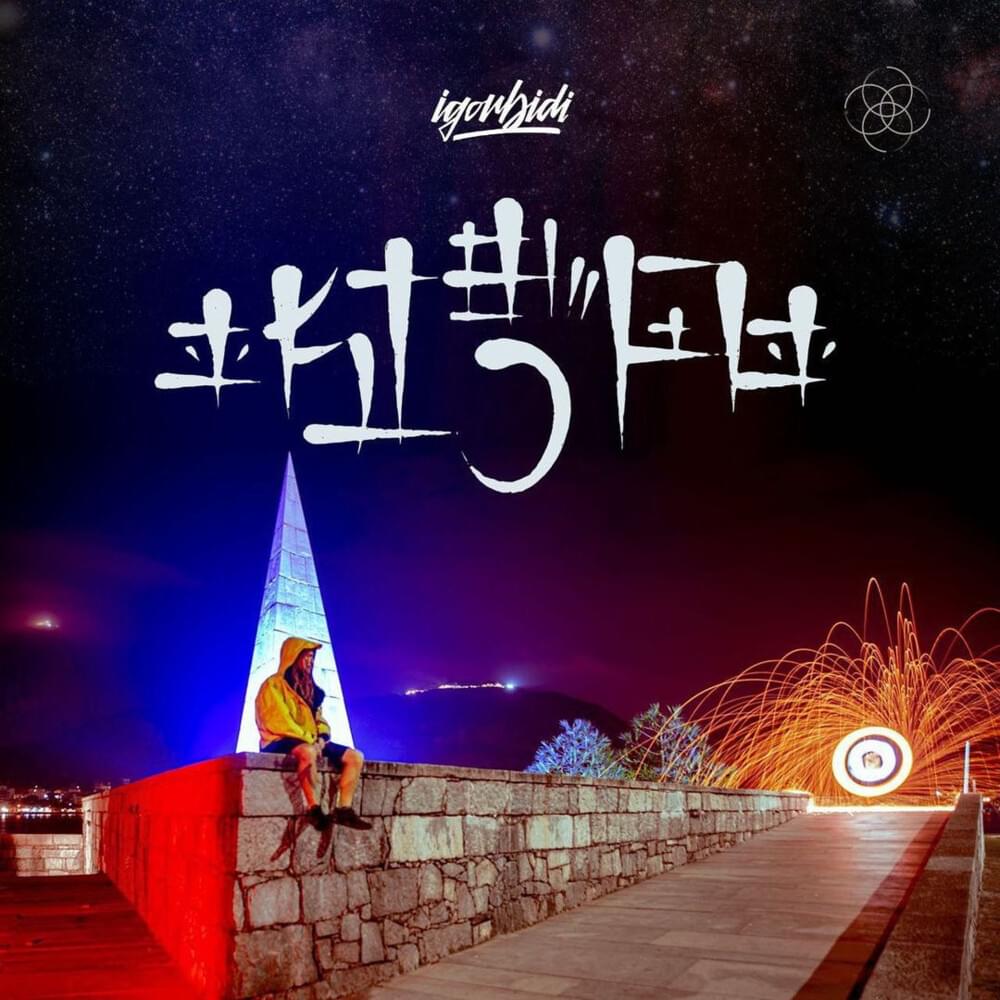
Song Meaning
This short interlude opens with a powerful invocation of spiritual origin: "De Aruanda vem a força." It establishes a source of healing and pure, "curada" (healed) words, suggesting that life would be meaningless without this "dimensão encantada" (enchanted dimension) that redeems us. Without it, the lyrics imply, we would be "náufragos" (shipwrecked) and at the mercy of oppression, lacking the very souls that are desired for us.
The core tension emerges as the speaker vehemently rejects external control and imposed identities. The repeated phrases "Não serei nada do que você quer" and "Não te permito querer que eu seja" underscore a fierce declaration of self-determination. The narrator refuses to be molded into someone else's "almeja" (desire), asserting an autonomy that resists transformation by another's will.
The most striking craft element is the speaker's self-definition as both "cavalo de Santo e cavaleiro" (horse of Saint and rider) and the assertion that their "? inteiro é um sagrado" (entire being is sacred). This duality suggests a powerful, almost divine agency, where the speaker embodies both the vessel and the force. The final, enigmatic command, "Me procura na fumaça!" (Look for me in the smoke!), invites a search beyond the visible, hinting at a spiritual or transcendent presence that cannot be easily grasped or controlled.
What makes these lyrics resonate is their potent blend of spiritual grounding and defiant selfhood. The initial evocation of Aruanda provides a sense of deep, inherent power, which then fuels the speaker's absolute refusal to be defined by others. The imagery of smoke, a fleeting yet potent element, perfectly captures this elusive, sacred self that exists beyond the reach of external expectations.