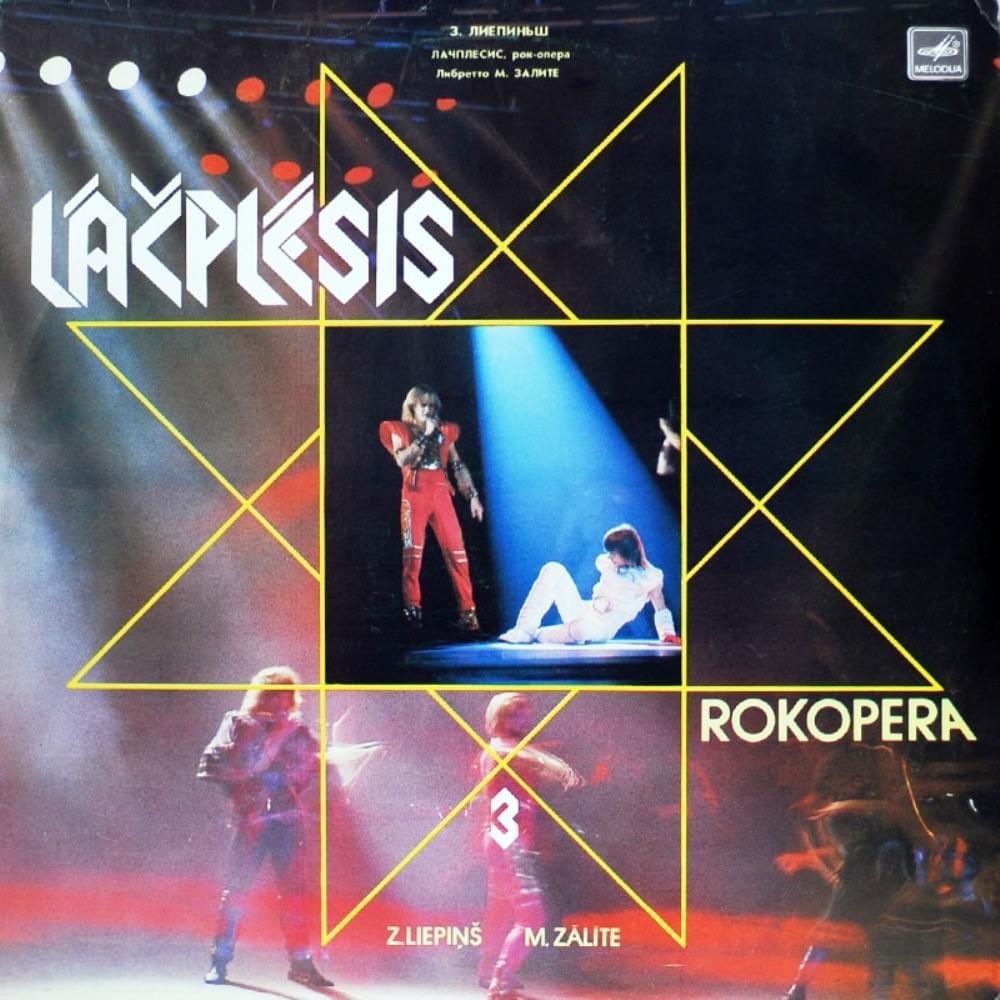
Song Meaning
The lyrics paint a vivid, almost mystical picture of a homeland experienced through the senses. The narrator, Lāčplēsis, hears his "tēvzemi" (homeland) not just as a place, but as a living entity. This isn't a passive observation; it's an active reception of the land's essence, described through gentle, natural imagery like "migla smeldz maigi" (fog stings gently) and "upe elpo" (the river breathes). The repetition of "Es dzirdu" (I hear) emphasizes this deep, sensory connection.
The core tension arises from the contrast between Lāčplēsis's profound, almost spiritual attunement to his homeland and the practical, directive words of Lielvārdis. While Lāčplēsis is immersed in the present, feeling the "varenu spēku" (mighty power) of the land, Lielvārdis speaks of past deeds and future tasks. He acknowledges Lāčplēsis's heroic deeds, stating "Zemi šo tīrijis esi no ļauna" (You have cleansed this land of evil), but then directs him away, towards learning "Burtnieku pili" (Burtnieki castle) to learn "likteņa rakstus" (fate's writings).
The most striking craft element is the personification of nature, which becomes a conduit for the homeland's spirit. "Šķindina smilgas sudraba ziedus" (The grass rustles silver flowers) and "Nopūšas zvaigznes, dziestot no rīta" (Stars sigh, dying in the morning) are evocative images that imbue the landscape with a gentle, almost melancholic life. These sensory details create an atmosphere of profound peace and belonging, making Lāčplēsis's connection feel deeply personal and spiritual.
This lyrical exchange is effective because it grounds a grand, epic narrative in intimate sensory experience and then pivots to a philosophical call to growth. The initial immersion in the homeland's sounds and feelings makes the subsequent instruction from Lielvārdis feel like a necessary, albeit perhaps bittersweet, transition. It suggests that true heroism involves not just defending the land, but also understanding its deeper rhythms and one's place within a larger destiny.