Song Meaning
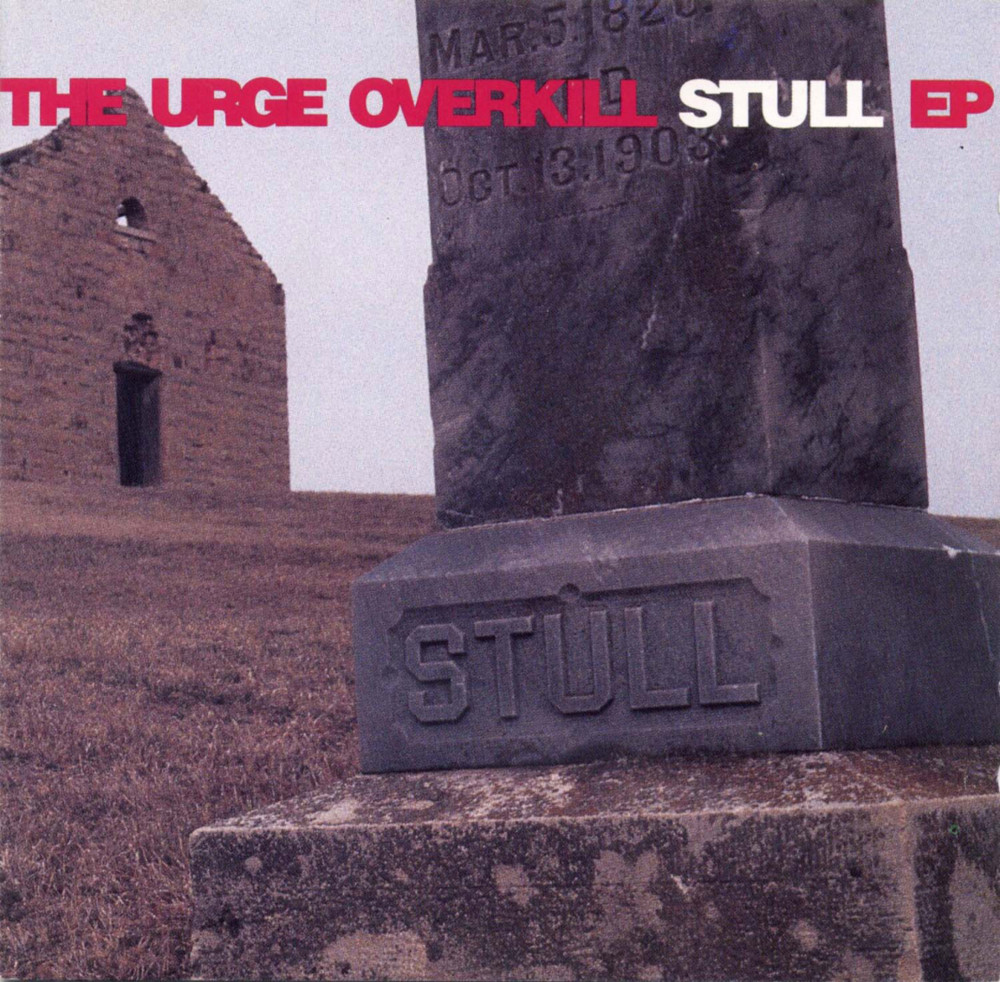
The narrator is on a journey, marked by a starkly rural setting and a sense of impending finality. The repetition of "forty miles west of Kansas City" and the "county road like a lonely soul" establish a desolate, isolated atmosphere. The repeated phrase, "Tell my bride to bury me in Stull," anchors the narrative in a specific, somber destination, hinting at a death or a profound, irreversible end.
The dominant tension arises from the juxtaposition of this grim destination with the insistent, almost eerie refrain: "Don't be afraid. It's great." This creates a disquieting contrast between the narrator's stated desire for burial in Stull and the unsettling reassurance offered. The repeated sighting of "Sharon and Jack" and "Roman wearing black" adds a layer of mystery, suggesting figures present at this significant, perhaps fatal, moment.
The lyrics employ a subtle but effective use of numerical progression and repetition to build unease. The decreasing mile markers ("thirty-seven seventeen," "six miles to Stull," "Sixty-five, fifty, forty-four, thirty miles to go") track the narrator's approach to Stull, while the persistent "six miles to Stull" in the dark sign becomes a focal point of dread. The image of the bride coming "in white" adds a touch of spectral beauty or perhaps foreboding to the scene.
This song's power lies in its deliberate ambiguity and the chilling dissonance between its imagery and its repeated, hollow-sounding assurances. The narrator's insistence that the end is "great" feels less like genuine comfort and more like a desperate attempt to rationalize or accept an unavoidable, perhaps tragic, fate. The stark, unadorned language and the focus on a specific, desolate location make the narrator's final request feel both deeply personal and unsettlingly universal.
 View Artist