Song Meaning
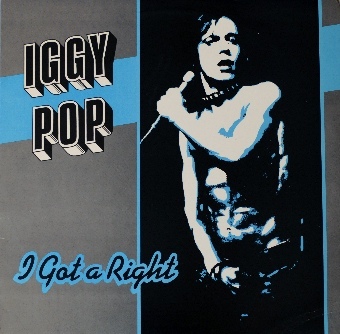
Iggy Pop's primal scream of self-affirmation, "I Got a Right," isn't a complex lyrical tapestry, but it doesn't need to be. Its power lies in its raw, repetitive insistence on personal autonomy. The lyrics analysis reveals a fundamental claim: the right to move, the right to sing, the right to *be*, regardless of external judgment or constraint. It's a punk rock anthem stripped down to its barest, most defiant essence. The mantra-like repetition drills the message deep into the listener's subconscious, transforming a simple assertion into a visceral declaration of independence.
Psychologically, "I Got a Right" taps into the core of adolescent rebellion and the universal desire for self-determination. It's the sonic equivalent of a teenager slamming their bedroom door, a defiant act of self-assertion against perceived oppression. The beauty of the song is that this 'oppression' is never defined. It could be societal expectations, parental control, or even the internal voice of self-doubt. The ambiguity allows listeners to project their own struggles onto the song, making it a deeply personal experience.
Iggy Pop's delivery, often characterized by a snarling, almost unhinged energy, amplifies the song's impact. It's not a polite request for permission; it's a guttural demand for recognition. The simplicity of the lyrics, combined with the intensity of the performance, creates a powerful statement about the individual's right to exist and express themselves freely. "I Got a Right" isn't just a song; it's a primal scream of self-ownership.
 View Artist