Song Meaning
The lyrics paint a serene, almost ritualistic picture of a new day and a new life. The opening lines, "Sēj mākoņu rasu pār kūpošo rītu zemes vējš" (Sow cloud dew over the steaming morning earth's wind), repeated twice, establish a gentle, nurturing atmosphere. This repetition suggests a foundational blessing, a natural benediction being cast over the scene, setting a tone of peace and natural abundance.
The core of the piece is a series of blessings directed towards a "him" or "her" and their new beginnings. Phrases like "Svētīta lai ir viņa radīšanas diena" (Blessed be his creation day) and "Svētīta lai ir viņa piedzimšanas diena" (Blessed be his birth day) directly invoke a sense of celebration for existence itself. The blessings extend to personal joy and family, with "Svētīts lai ir smaids tavā sejā" (Blessed be the smile on your face) and "Svētīts lai ir tavs bērns" (Blessed be your child), grounding the spiritual in the tangible and deeply personal.
The imagery shifts subtly to sensory experience, connecting the external environment to internal feeling. "Gaistošā miglā saule dzeltē" (In the vanishing mist the sun yellows) and "Vieglā rasā kājas veldzē" (In the light dew feet are refreshed) create a vivid, cool morning tableau. This external refreshment seems to mirror an internal rebirth, as the narrator states, "Tuvums tavs mani pašu dzemdē" (Your closeness gives birth to myself), suggesting that the presence of the blessed individual sparks a new sense of self in the speaker.
This lyrical structure, moving from broad natural blessings to specific personal ones and then to a profound internal connection, creates a powerful sense of gratitude and wonder. The repeated invocation of "Svētīts" (Blessed) acts as a mantra, reinforcing the sacredness of life, creation, and connection. The final repetition of the opening wind and dew imagery brings the focus back to the natural world, implying that these personal blessings are part of a larger, ongoing cycle of renewal.
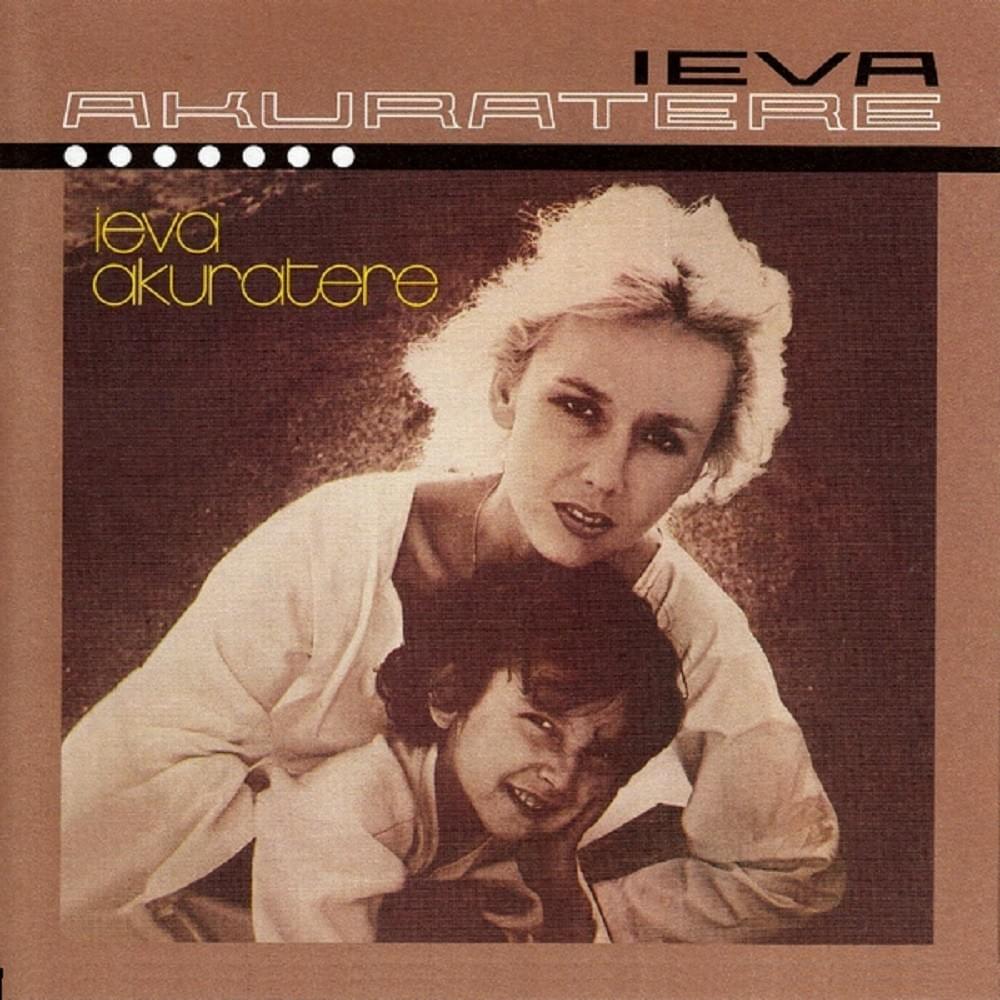
 View Artist