Song Meaning
The lyrics paint a picture of someone grappling with a profound sense of disconnection and a loss of faith, particularly in love. The opening lines immediately establish a feeling of not knowing or understanding fundamental emotions, creating a void where dreams should be. This lack of internal grounding leads to a desperate search for external validation or meaning, but even that proves elusive. The recurring image of being "always young" in dreams suggests a retreat to a simpler, perhaps more innocent, past when these feelings were not so complicated or lost.
The central tension lies in the paradoxical nature of "trust" and "love" as presented. The repeated phrase "Every little means trust" is immediately undercut by "Love at the end of love," implying that trust, or what's left of it, only appears when love itself is over or has failed. This suggests a cynical view where trust is a consolation prize or a retrospective interpretation rather than a foundation for present connection. The narrator seems to be trying to force meaning onto small gestures or remnants, seeking a "reason to blame" or something to "dream in," but finds only "lost trust."
The most striking lyrical device is the insistent repetition of "Every little means trust" juxtaposed with its negation. The phrase "something more than enough" adds another layer of complexity, hinting at an overabundance of attempts to find meaning that ultimately fall short. The narrator questions the value of knowledge when understanding remains absent, highlighting a disconnect between information and genuine comprehension. This is further emphasized by the idea that meaning is derived from "variations / Of what you choose to read into it," suggesting that interpretation is subjective and potentially unreliable, especially when trying to salvage something from a broken situation.
Ultimately, the effectiveness of these lyrics stems from their raw portrayal of emotional desolation and the struggle to find anchors in a world that feels devoid of genuine connection. The cyclical structure, mirroring the narrator's own internal loop of questioning and failed attempts at finding meaning, creates a sense of being trapped. The contrast between the idealized dream state and the harsh reality of "lost trust" makes the narrator's plight feel palpable, resonating with anyone who has experienced the painful aftermath of broken faith in relationships.
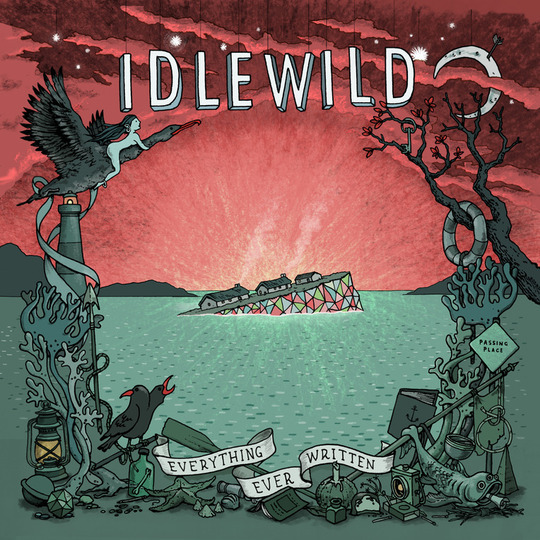
 View Artist