Song Meaning
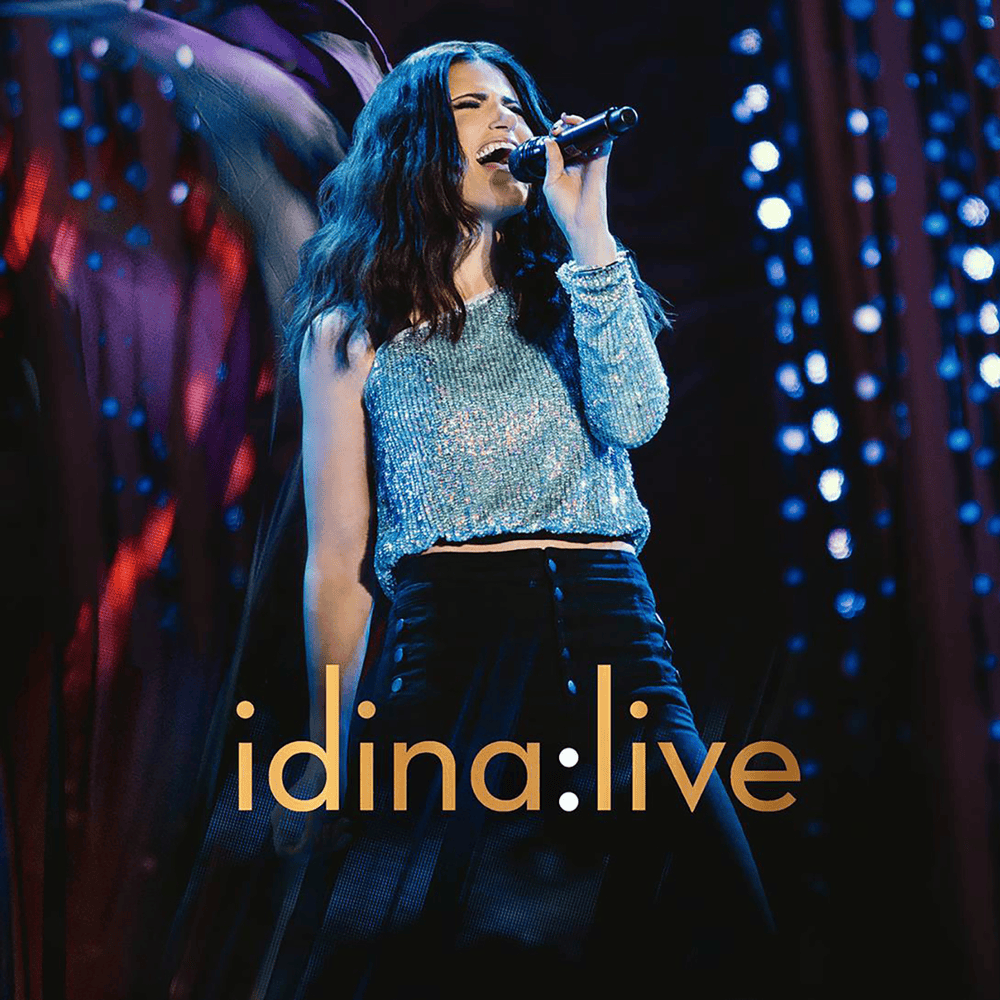
{"song_id": 12487886, "meaning": "Idina Menzel's live rendition of \"I'm Not That Girl\" isn't just a ballad; it's a masterclass in melancholic self-awareness. The song meaning hinges on the brutal recognition of one's own perceived inadequacies in the face of romantic longing. It's a quiet, internal scream of unrequited affection, amplified by the rawness of a live performance. Menzel doesn't just sing the lyrics; she embodies the quiet desperation of a woman grappling with the chasm between her reality and her desires. The opening lines paint a vivid picture of fleeting connection – \"Hands touch, eyes meet / Sudden silence, sudden heat\" – moments pregnant with possibility, immediately undercut by the crushing realization, \"He could be that boy / But I'm not that girl.\"
The core of the song explores the painful dance between hope and resignation. The lyrics repeatedly warn against dreaming too far, against losing sight of oneself, and against remembering the \"rush of joy.\" These aren't just cautionary words; they're coping mechanisms, strategies for self-preservation in the face of potential heartbreak. The \"land of what-might-have-been\" becomes a dangerous, seductive territory, one that offers fleeting comfort but ultimately deepens the ache of reality. It's a theme resonant with anyone who has ever felt overlooked or unseen, a universal experience Menzel captures with stunning vulnerability.
The contrasting image of the \"blithe smile, lithe limb\" girl, the one who \"wins him,\" reinforces the protagonist's feelings of inadequacy. This isn't just about jealousy; it's about a perceived lack of inherent worth, a belief that she wasn't \"born for the rose and the pearl.\" Menzel's performance elevates the song beyond a simple love song; it becomes an exploration of self-doubt, societal expectations, and the quiet battles we wage within ourselves. The repetition of \"I'm not that girl\" isn't just a statement of fact; it's a mantra of self-acceptance, however painful that acceptance may be. It acknowledges the gap between the idealized version of oneself and the reality, a gap that, in this song, becomes a source of both sorrow and strength."}
 View Artist