Song Meaning
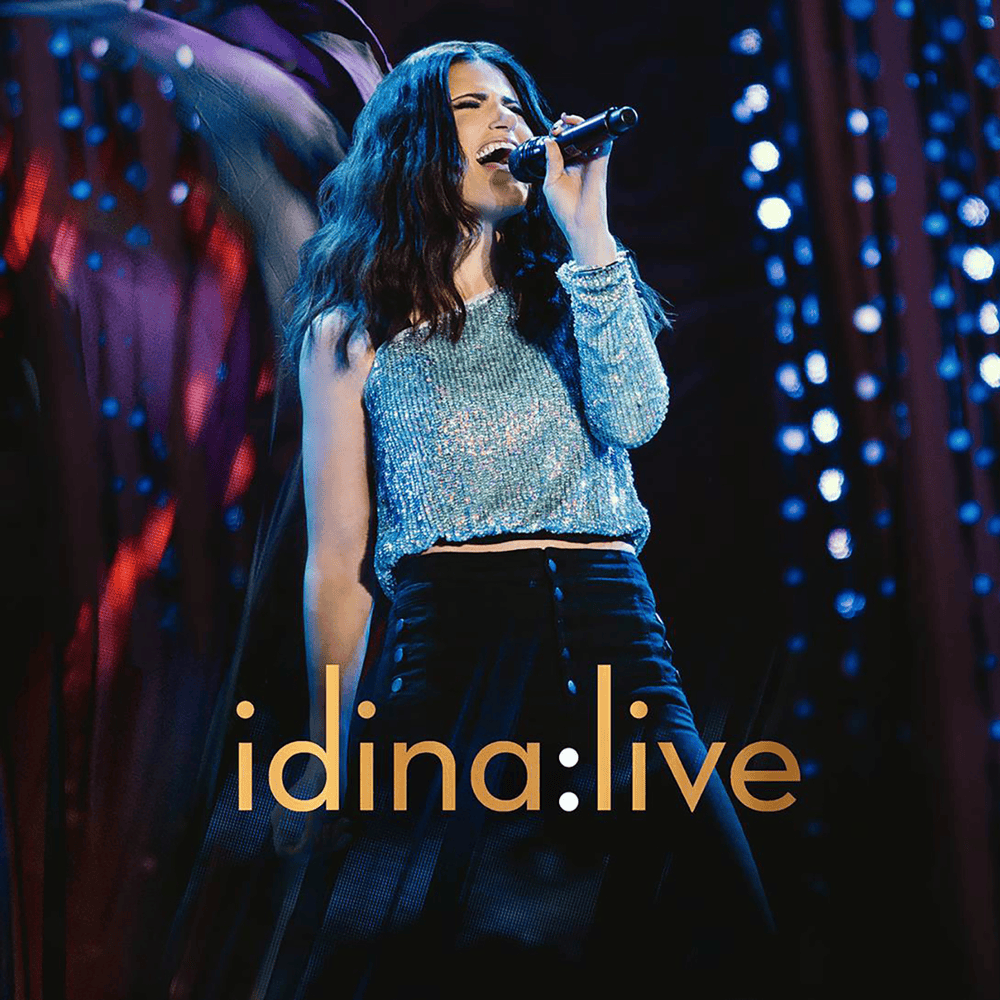
Idina Menzel's rendition of "For Good (Live)" isn't just a song; it's a testament to the quiet, seismic shifts that human connection ignites within us. Stripped of elaborate staging, the song's core message—the enduring impact of friendship—shines with raw emotional clarity. It's a recognition that our identities are not forged in isolation, but rather co-created through the intricate dance of relationships. The lyrics acknowledge the bittersweet reality that some bonds, however profound, may be fleeting in the grand scheme of existence. Yet, the brevity of the connection does not diminish its significance. Instead, it amplifies the gratitude for the lessons learned and the indelible mark left on the heart, "like a handprint."
The song delicately explores the ripple effect of influence. It's not about grand gestures or dramatic transformations, but rather the subtle recalibration of one's trajectory. The metaphor of a ship "blown from its mooring" and a seed scattered by the wind speaks to the unpredictable yet purposeful nature of these encounters. We are nudged off course, planted in unexpected terrains, and ultimately reshaped by the winds of change brought about by others. The central question, "Who can say if I've been changed for the better?" isn't seeking a definitive answer, but rather acknowledging the subjective and evolving nature of personal growth.
"For Good" ultimately refrains from offering easy answers or sentimental platitudes. It's a mature reflection on the complexities of human interaction, accepting that change, whether perceived as positive or negative, is an inevitable consequence of opening ourselves to others. The simple repetition of "Because I knew you, I have been changed for good" underscores the profound and lasting impact of these relationships. It’s a quiet anthem for anyone who's ever been touched by the hand of friendship, a reminder that even fleeting connections can leave an enduring legacy on the landscape of our lives. The song meaning resides not in the perfection of the change, but in the simple fact of it.
 View Artist