Song Meaning
The lyrics paint a picture of profound sadness and longing, starting with the feeling of losing a cherished friend. This sorrow is so deep it feels like a constant weight, making mornings difficult and bringing a sense of mourning. The narrator describes this grief as sitting in an "amen corner," a place of spiritual solace, yet still feeling the ache of absence. The desire for relief is palpable, a wish for "sunshine" and the arrival of "tomorrow" to perhaps ease the pain.
The central tension arises from the narrator's internal state versus their external desires and actions. While consumed by sadness over their "daddy," they also assert a need for respect and genuine connection in relationships. The chorus reveals a duality: a plea for comfort and a demand for effort from a partner. This isn't just about passive waiting; it's about actively seeking a specific kind of love that requires novel gestures.
The most striking craft element is the juxtaposition of deep sorrow with a vibrant, almost defiant assertion of personal agency and desire. The narrator shifts from feeling "like a mourner" to declaring, "I can Eagle Rock, I can Ball the Jack." This isn't just about wanting their "daddy" back; it’s about knowing their own worth and capabilities in love. The repeated phrase "crazy 'bout his lovin' / Likes to have his fun" mirrors the narrator's own stated desires, suggesting a shared spirit that fuels the hope for reconciliation.
This song hits hard because it captures the complex emotional landscape of grief intertwined with a resilient spirit. The lyrics don't shy away from deep sadness but also refuse to be defined solely by it. The narrator’s assertion of needing a partner to "do something that you've never done" is a powerful statement of self-worth, transforming a bluesy lament into a declaration of what it takes to earn their affection and, perhaps, to win back their "daddy."
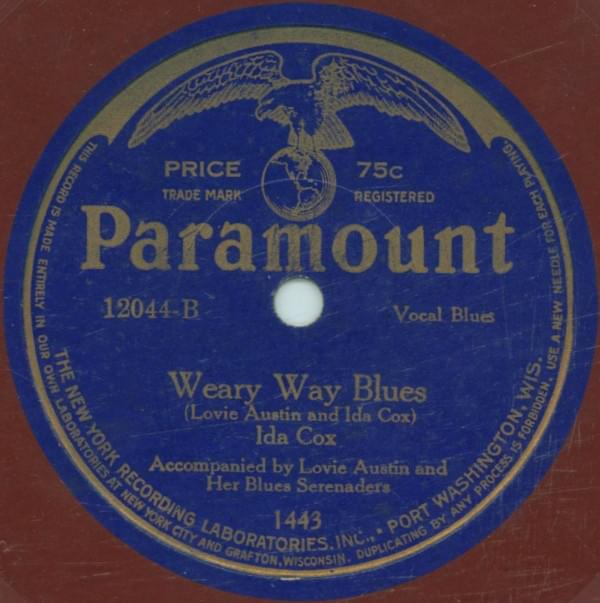
 View Artist