Song Meaning
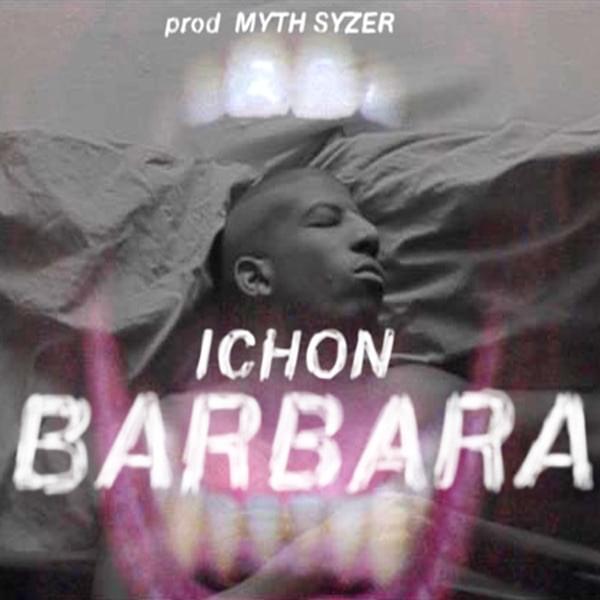
The lyrics paint a picture of someone grappling with creative output and its impact on a relationship, possibly with someone named Barbara. The narrator feels a sense of urgency, stating, "Je n'ai pas que ça à faire" (I don't have only this to do) and "je n'ai plus de temps à perdre" (I have no more time to lose). This suggests a pressure to create or achieve something significant, even if it means a harsh or "brutalité mentale" (mental brutality) approach to reality and their own principles. The act of creation is framed as a necessary, almost violent, process of "trafique la réalité" (trafficking reality) to "dénuder ta matière grise" (strip bare your gray matter), implying a desire to provoke thought or understanding in the listener, perhaps Barbara herself.
The central tension lies between the narrator's intense, perhaps selfish, drive for artistic completion and the emotional cost it exacts on their connection. The repeated apologies, "Oh Barbara il faudra me pardonner" (Oh Barbara you will have to forgive me), underscore this conflict. The narrator acknowledges the negative impact, admitting "les kilomètres abandonnés" (abandoned kilometers) and the difficulty of bridging "la distance" (the distance). Yet, there's a defiant resolve: "Mais je n'ai pas dit que je n'y arriverai" (But I haven't said I won't get there), indicating a commitment to seeing this creative cycle through, regardless of the personal sacrifices.
A striking element is the cyclical nature of the creative process described. Phrases like "La roue circulaire tourne" (The circular wheel turns) and "Tant que le cycle n'est pas livré" (As long as the cycle isn't delivered) suggest a recurring struggle. The narrator seems trapped in this loop, where "les mots de têtes gravitent" (words from heads gravitate) until the cycle is complete. This cyclical imagery reinforces the feeling of an ongoing, perhaps inescapable, artistic endeavor that dictates the narrator's actions and their relationship dynamics. The final "Alors suspens" (So, suspense) leaves the outcome, and the state of the relationship, hanging in the balance, emphasizing the unresolved nature of this creative struggle.
 View Artist