Song Meaning
The lyrics paint a stark picture of urgent necessity, centered on the narrator's relationship with their mule. The repeated calls to "Get up, come up" and the insistent "Hee, hah!" establish a tone of relentless work. This isn't about leisure; it's about survival, as the narrator states plainly, "We've got to make haste" and "We've got to get food." The immediate, almost primal focus is on the task at hand, leaving no room for anything else.
The central tension arises from the contrast between the expected path of education and the narrator's reality of labor. While acknowledging the mule isn't going to school, the narrator declares, "I can't go to school, I got to plough that mule." This isn't a complaint, but a statement of fact, reinforced by "School or no school, I don't worry / I ain't nobody's fool." The narrator seems to find a pragmatic wisdom in their work, a self-reliance that transcends formal schooling.
The most striking element is the elevation of the mule to "the best friend I have." This isn't just a work animal; it's a companion in hardship. The lyrics suggest a deep, albeit utilitarian, bond. The mule is the engine of their survival, the means by which they "get food" and avoid idleness. The repetitive structure, mirroring the rhythm of labor, underscores the inescapable nature of their daily grind.
Ultimately, the effectiveness of these lyrics lies in their unvarnished depiction of a life dictated by need. The simple, direct language and the focus on the immediate physical reality create a powerful sense of purpose. The narrator's acceptance of their situation, finding agency not in escape but in mastery of their work, is what makes this portrayal resonate.
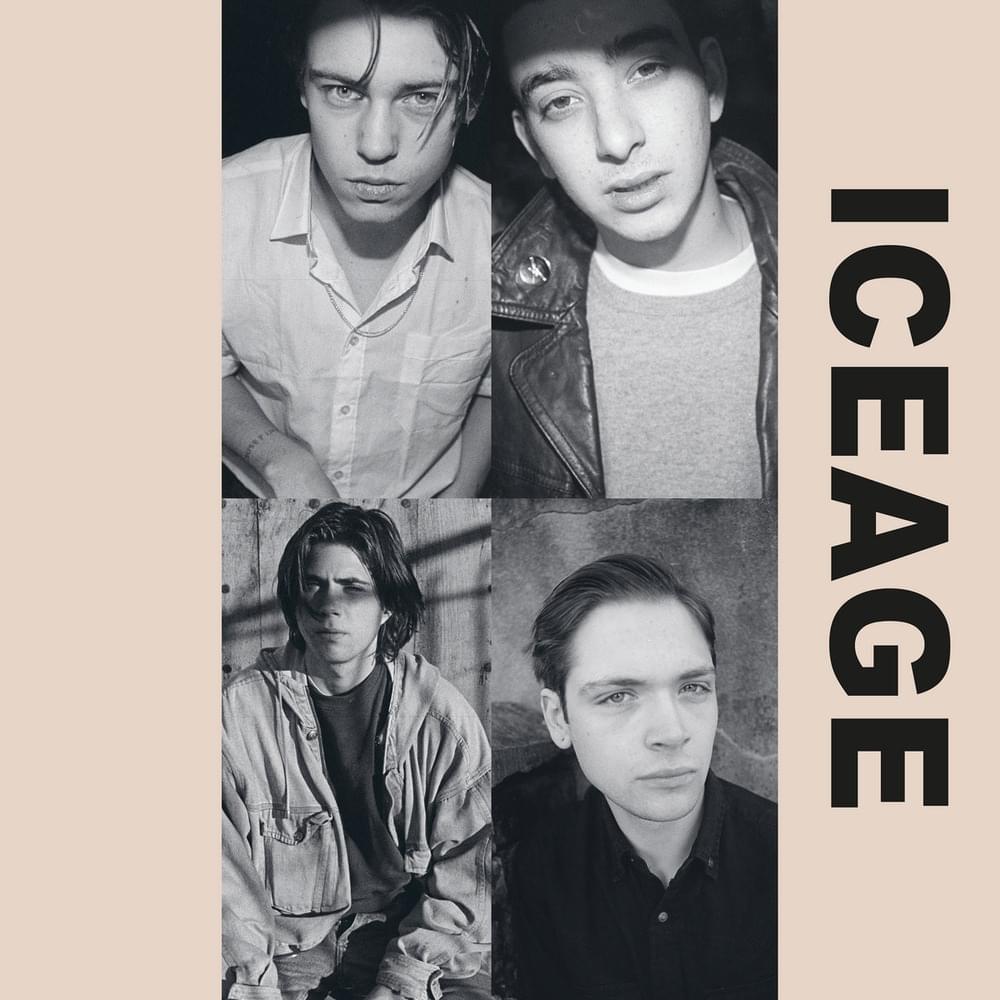
 View Artist