Song Meaning
This lament paints a stark picture of a place, Maraş, seemingly ravaged or in deep distress, questioning "This how Maraş?" The opening lines immediately establish a tone of tragedy, referencing a "brother giving his life in red blood." This isn't just a place; it's a site of profound suffering and loss.
The central tension arises from a desperate desire to escape this grim reality. The narrator repeatedly urges a "brother" or "comrade" to leave, stating "let's go." The path forward is fraught with difficulty, described as "our lands are thorny, impassable" and "roads are muddy." Yet, the urgency to depart overrides these obstacles, suggesting a need to flee even through hardship.
The lyrics employ a powerful contrast between the current desolation and a hoped-for future. The idea that "a building isn't made with small stones" implies that the current state of Maraş is fundamentally unstable or broken, beyond simple repair. The narrator insists that "Maraş won't be destroyed by me dying alone," highlighting a personal struggle against a larger, overwhelming destruction. The longing for a time when "tulips, hyacinths grow" signifies a yearning for peace and natural beauty to return, a stark counterpoint to the current bloodshed and mud.
This piece resonates because it captures a raw, urgent plea born from witnessing immense suffering. The repeated calls to leave, coupled with the descriptions of impassable roads and muddy paths, create a visceral sense of being trapped yet driven by an instinct for survival. The contrast between the present agony and the imagined future of blooming flowers makes the desire for escape deeply palpable and emotionally charged.
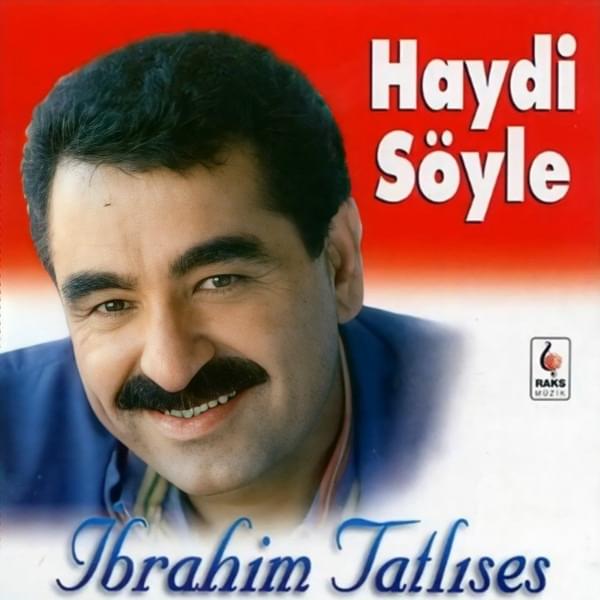
 View Artist