Song Meaning
The lyrics paint a stark picture of profound loneliness and relentless suffering. The speaker feels utterly isolated, burdened by troubles, and directly questions if their plight is merely "a game of my destiny." This immediate, raw expression of despair sets a heavy, melancholic tone from the very first lines.
At its core, the piece explores the crushing weight of fate and the exhaustion it brings. The narrator declares, "I'm tired of living," a powerful admission of weariness that resonates deeply. Yet, amidst this profound fatigue, there's a poignant tension: the speaker vows, "I will wait, I will wait," even if the lost loved one never returns, suggesting a stubborn, almost defiant hope against all odds.
The craft here is particularly effective in its use of repetition and potent word choice. Phrases like "Öyle yalnızım ki" (I am so lonely) and "Öyle dertliyim ki" (I am so troubled) hammer home the depth of the speaker's emotional state. The description of fate's actions as giving "cruelty" (zulüm) instead of love, and the questioning of whether this is "the law" of existence, elevates personal sorrow to a universal inquiry about suffering.
Ultimately, these lyrics hit hard because they capture a universal human experience: the struggle to reconcile personal loss and endless pain with the relentless march of life. The closing image of "eyes cry on every horizon of hope" powerfully encapsulates a world where lost loves never return, and sorrow becomes an inescapable, ever-present landscape, leaving the listener with a sense of shared, enduring melancholy.
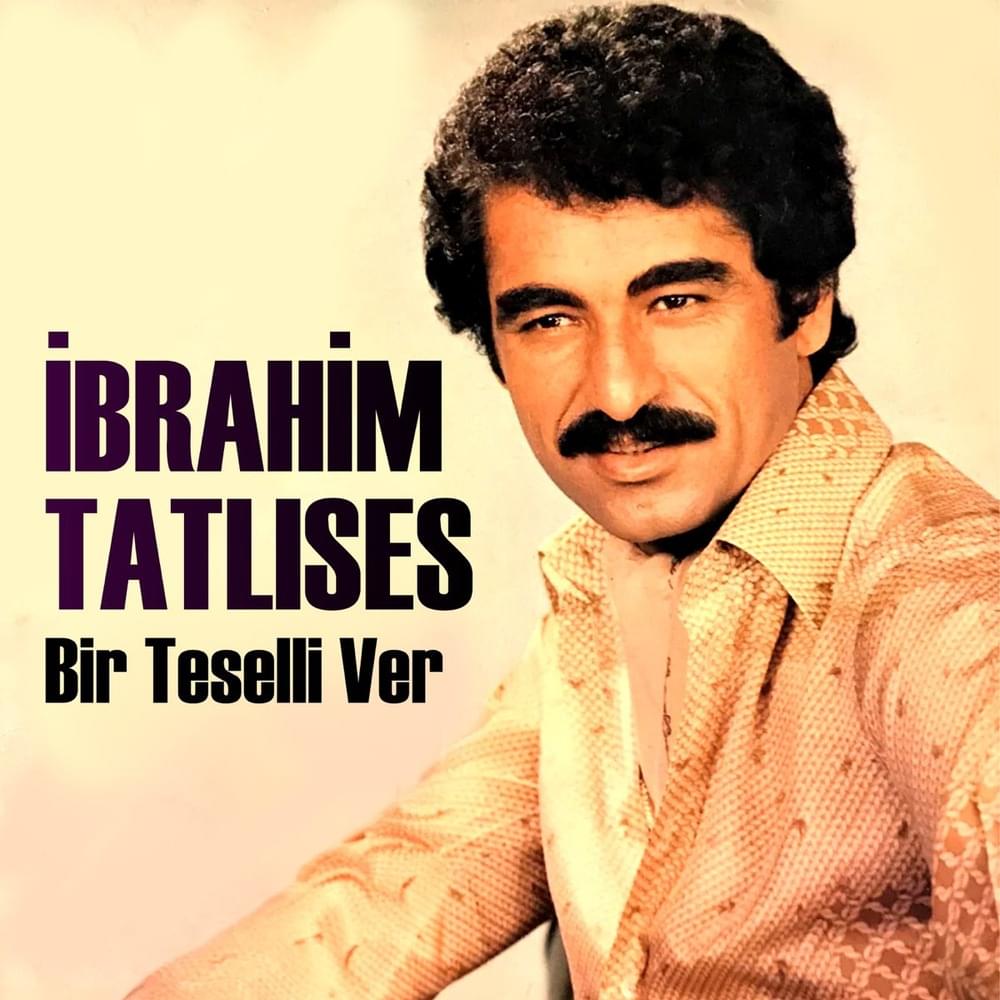
 View Artist