Song Meaning
This track lays bare a profound sense of personal responsibility and lingering devotion after a relationship's end. The narrator declares, "Hiç kimseye sözüm yok" – no blame is cast on fate or the former lover. Instead, the sole culprit identified is the heart itself, which loved and adored too intensely. This sets a tone of self-recrimination, framing the past love as an overwhelming force that has left the narrator utterly consumed.
The central tension arises from this self-inflicted emotional captivity. The narrator is "Aşkının eseriyim, kalbimin esiriyim" – a product of the love and a prisoner of their own heart. This dual state of being, both shaped by and trapped within the affection, leads to a profound sense of loss, described as "Mutluluğu kaybolmuş." The repetition of "bir garip serseriyim" (a strange wanderer) emphasizes a feeling of aimlessness and alienation stemming directly from this lost happiness.
The lyrics' power lies in their stark, almost fatalistic portrayal of love's aftermath. The idea that "Yıllar yılı bu sevgi içime dert olacak" (This love will be a heartache for years) suggests a future burdened by the past, with no hope for the heart to ever be full again: "Bir daha dolmayacak." This unwavering conviction in the permanence of the pain, coupled with the initial refusal to blame anyone but the self, creates a potent emotional landscape of enduring sorrow and self-imposed exile.
Ultimately, the effectiveness of these lyrics stems from their unvarnished honesty about the internal consequences of intense love. By focusing solely on the heart's actions and the resulting emotional void, the song crafts a portrait of someone irrevocably altered, adrift in the ruins of a devotion that continues to define them. The simple, direct language amplifies the feeling of inescapable emotional truth.
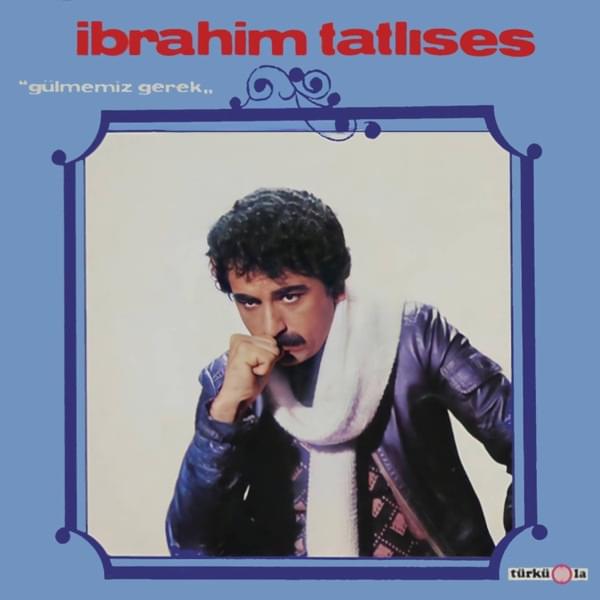
 View Artist