Song Meaning
The lyrics paint a stark picture of betrayal and its aftermath, opening with a blunt repetition: "Terk etmek ne kadar kolay / Sen kolay olanı seçtin." This immediately establishes a tone of bitter accusation, suggesting the speaker feels abandoned because their partner chose the path of least resistance. The repeated phrase hammers home the perceived ease with which the speaker was left behind, highlighting a deep sense of hurt and injustice. The narrative quickly moves from the act of leaving to its consequences, as the speaker laments passing "Önce benden, sonra senden, sonra da aşkımızdan geçtin." This progression implies a total erasure, not just of the speaker, but of the partner themselves and the love they shared, suggesting a complete detachment from everything that once was.
The core emotional tension lies in the speaker's complex reaction to this abandonment. While they express profound pain and regret, particularly in the lines "Her sevgide bin ah ettim / Gençliğime eyvah ettim / Bilmem ki ne günah ettim," there's also a chilling undercurrent of curse and a twisted desire for the betrayer to experience similar suffering. The speaker doesn't wish for the partner's destruction but rather for them to "yıkılma ki ölmeyesin" – not to die, but to truly understand the pain. This is further amplified by the wish, "Dilerim benden fazla sev, sev ki sende gülmeyesin," a plea for the partner to love intensely only to be met with the same heartbreak they inflicted, ensuring they can never truly smile again.
The most striking craft element is the juxtaposition of the speaker's own suffering and regret with their vengeful wishes for the other. The narrator claims to have "Her sevgide bin ah ettim" (sighed a thousand times in every love), lamenting lost youth and unknown sins, yet they turn this pain outward. The repeated refrain "Bilemem, bilemem, gülemem ben yalan dünyada" (I cannot know, I cannot laugh in this false world) underscores a deep despair that fuels the desire for the other to also be trapped in this cycle of pain. This duality—personal anguish morphing into a curse—is what gives the lyrics their raw, almost desperate power, showing how deep hurt can twist into a wish for shared misery.
Ultimately, these lyrics resonate because they articulate a very human, albeit dark, response to profound betrayal. The raw emotion, amplified by repetition and stark imagery, captures the feeling of being utterly wronged and the desperate desire for the perpetrator to comprehend the depth of that pain. The writing doesn't shy away from the ugliness of such feelings, instead presenting them with a directness that feels both cathartic and unsettling. It’s this unflinching portrayal of heartbreak turning into a curse that makes the song hit so hard, offering a voice to the bitterest aspects of lost love.
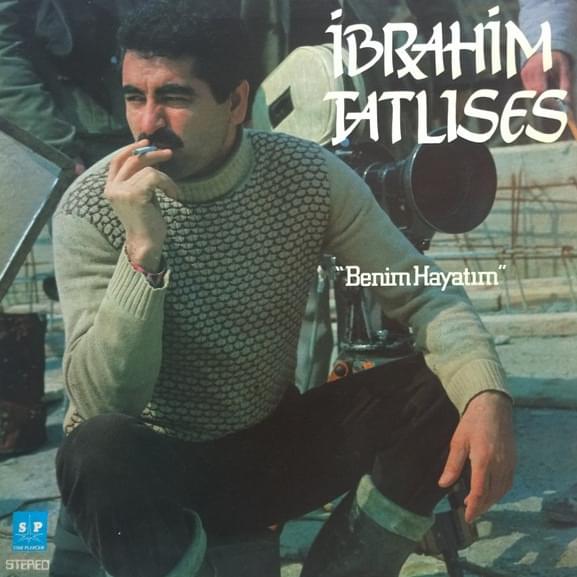
 View Artist