Song Meaning
This is a lament, a raw cry against a cruel fate that seems intent on inflicting pain. The repeated plea, "zalım felek sineme dokunma benim" (cruel fate, don't touch my chest), establishes an immediate tone of deep suffering and a desperate appeal for respite. The narrator feels attacked, as if their very being is being bruised by external forces beyond their control. It's a direct confrontation with an unseen, malevolent power.
The central tension lies in the narrator's perceived vulnerability versus the perceived hardness of their heart. They ask, "Taş mı sandın, taş mı sandın yüreğim kal'a mı bedenim?" (Did you think my heart was stone, my body a fortress?). This suggests a profound disconnect between how their suffering is perceived or inflicted and their actual, sensitive state. They are not unfeeling; rather, the pain is so intense it feels like a physical assault on a fragile core.
The lyrics employ a stark contrast between the harshness of fate and the narrator's desire for solace. The mention of "Tenha gecelerde" (in lonely nights) highlights a profound isolation, yet the narrator questions if even these solitary moments can offer comfort. The unexpected comparison, "Baykuş sesini, baykuş sesini bülbül-ü şeydaya değişmem" (I wouldn't trade the owl's hoot for the nightingale's song), is striking. It suggests a preference for the somber, perhaps even mournful, sounds of the night over the traditionally beautiful song of the nightingale, implying a deep immersion in sorrow.
This piece hits hard because it articulates a feeling of being overwhelmed by an unjust destiny. The direct, almost childlike pleas, combined with the imagery of a fragile heart under siege, create a powerful emotional resonance. The unexpected preference for the owl's cry over the nightingale's song underscores a profound, almost defiant embrace of melancholy as the only fitting soundtrack to their pain.
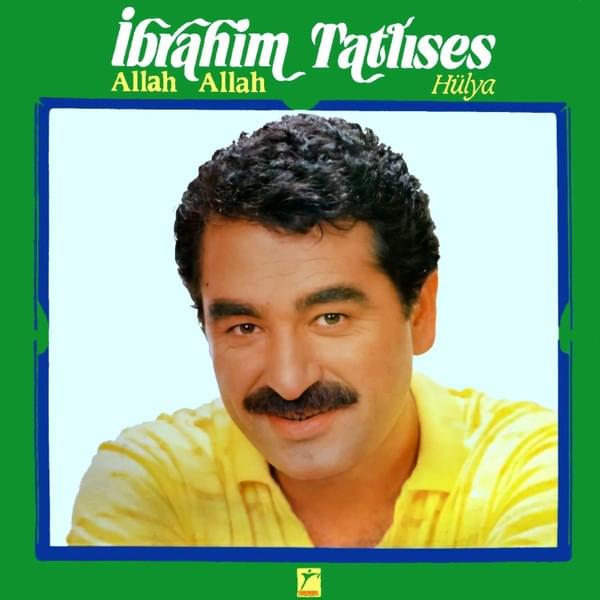
 View Artist