Song Meaning
The lyrics paint a stark picture of separation, immediately establishing that 'Ayrılık kolay değil' – separation isn't easy. This isn't just a fleeting sadness; the narrator's days are consumed by searching for the absent person, a constant, unfulfilled quest. The sheer repetition of these core lines hammers home the inescapable nature of this grief. It’s a profound ache that defines the narrator’s present existence.
The central tension arises from the conflict between this personal suffering and a resigned acceptance of fate. The phrase 'Kader ayırdı bizi' (Fate separated us) suggests an external force beyond control, leading to the melancholic refrain 'elimizden ne gelir' (what can we do?). This helplessness is amplified by the stoic wisdom that 'Sabrın sonu selamettir' (the end of patience is peace), implying a need to endure the unbearable.
The writing leans heavily on this duality of personal despair and fatalistic acceptance. The narrator laments, 'Bahtiyar olamadım garibim şu cihanda' (I couldn't be fortunate in this world), highlighting a life marked by unhappiness. Yet, the plea 'Bir gün ben ölürsem arkamdan sen ağlama' (If I die one day, don't cry for me) introduces a poignant concern for the other person, even in the face of their own profound sorrow and impending mortality.
This blend of raw emotional pain and a stoic, almost detached, acknowledgment of destiny is what gives the lyrics their power. The direct, unadorned language, coupled with the insistent repetition, creates a feeling of being trapped in a cycle of longing and resignation. It’s this unflinching portrayal of enduring heartbreak, framed by the inevitability of fate, that resonates so deeply.
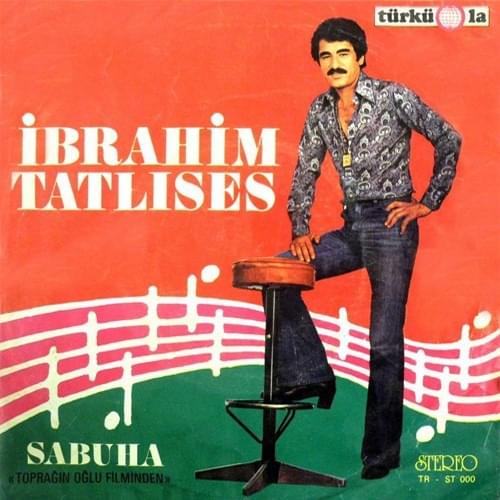
 View Artist