Song Meaning
The lyrics paint a stark, almost fatalistic picture of love's consequences. The opening lines immediately establish a sense of official decree and its violent suppression: "Antebin kalesine astilar fermanimi" – my decree was hung on the castle of Antep. This isn't just a personal setback; it's a formal pronouncement being nullified, with the repetition of "aman aman aman" underscoring a deep, mournful lament. The subsequent line, "Urfa mardin neylesin kestiler fermanimi" (What can Urfa and Mardin do, they cut my decree), suggests a widespread, inescapable reach of this suppression, leaving even distant places powerless.
The core tension arises from the narrator's unwavering devotion despite severe repercussions. The recurring phrase "Seven ölür yar için can verir canan için" (The lover dies for the beloved, gives their life for their beloved) acts as a justification, a timeless truth that the narrator clings to. This is directly contrasted with the personal cost: "Seni sevdigim için le kestiler fermanimi" (Because I loved you, they cut my decree). The love itself is the direct cause of this official, devastating action against them.
The most striking aspect is the imagery of being cut off and having decrees nullified. "Kestiler fermanimi" (they cut my decree) and "kestiler yollarimi" (they cut my paths) are powerful metaphors for obstruction and the severing of one's future or agency. Despite this, the narrator's resolve is absolute: "Başim gitse boynumdan vazgeçmem bu sevdadan" (Even if my head goes from my neck, I won't give up this love). This defiant stance, juxtaposed with the violent imagery of being cut down, creates a profound sense of tragic commitment.
This lyrical construction is effective because it grounds an intense, abstract devotion in concrete, albeit metaphorical, acts of violence and suppression. The repetition of the lament and the core justification creates a cyclical, inescapable feeling, mirroring the narrator's own predicament. The unwavering declaration of love in the face of such dire consequences makes the narrator's commitment feel both deeply personal and tragically absolute.
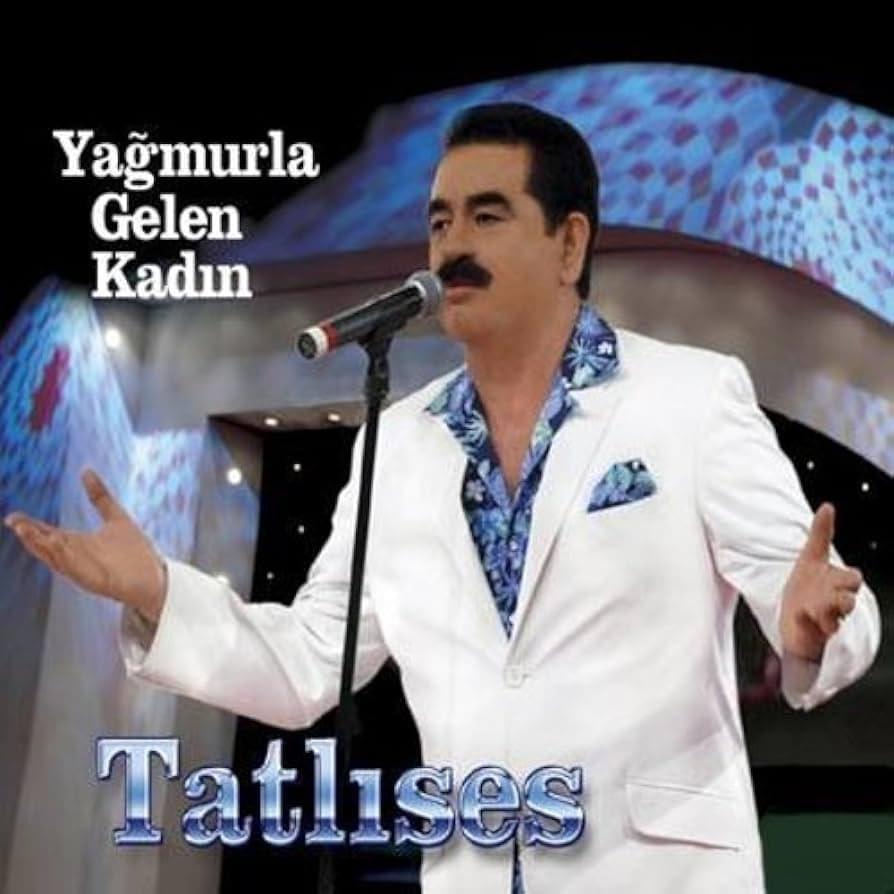
 View Artist