Song Meaning
Ibrahim Maalouf's "NÚMERO DA SORTE" isn't a song so much as a devotional act. It's a hymn to the boundless potential of human love, stripped down to its most elemental form. The lyrics, though simple, operate on a scale that feels almost cosmological. Maalouf starts with familiar, comforting images: "Grand like Grandma's open hands," "High like white peaks touching heavens." These anchors of human experience quickly expand, becoming metaphors for an emotional landscape that dwarfs even the natural world. The repetition of "Wide like ancient rivers crossing" evokes the feeling of eons passing, of love as a force that has shaped the very earth. This isn't fleeting infatuation; it's something primordial.
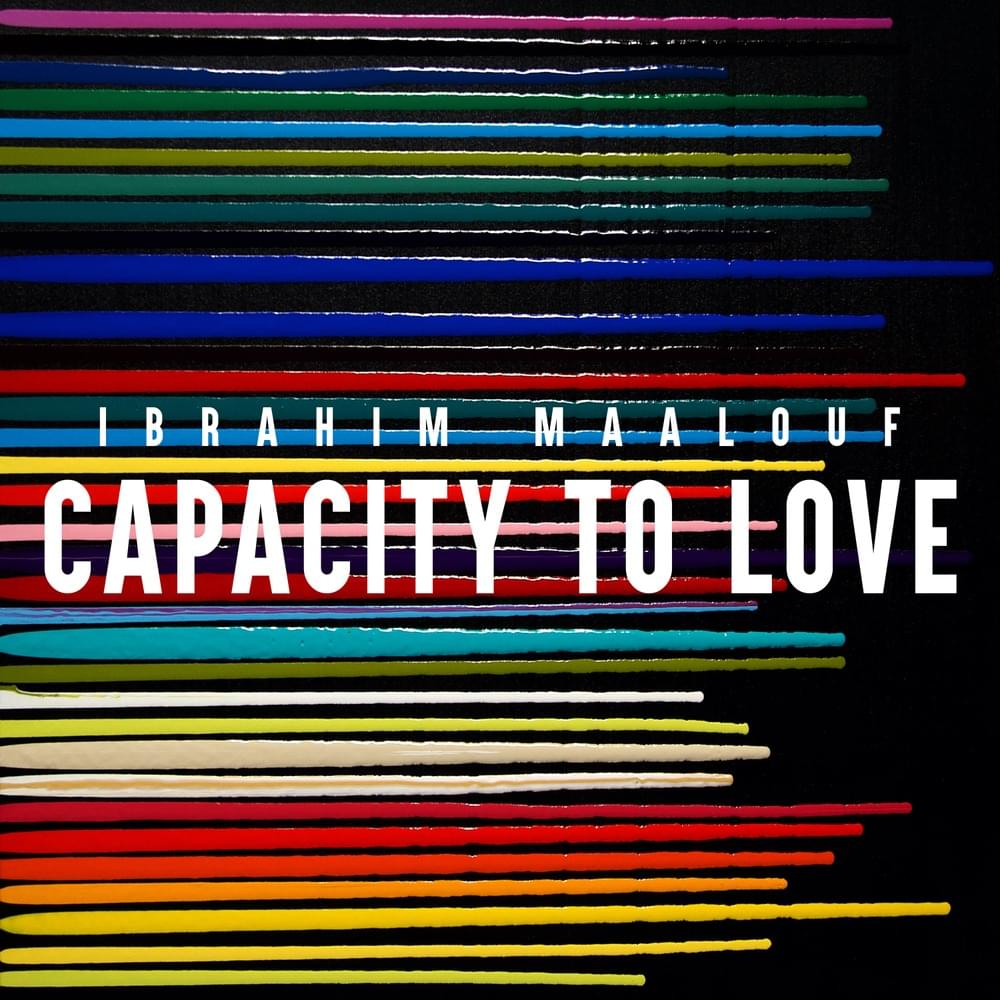
The recurring line, "Capacity to love is greater," acts as a mantra, a centering point amidst the grand pronouncements. It dares us to consider the sheer immensity of what we're capable of feeling and giving. The lyrics aren't interested in the specifics of a relationship, but rather in the abstract, almost mathematical, potential for connection. It's a concept so vast it borders on the terrifying. The brief interjection of "Hey!" adds a touch of urgency, a call to attention, as if Maalouf is imploring us to recognize the profound truth he's unveiling.
The final verses cement this idea of love's supremacy. The sea, a classic symbol of immensity, is deemed insufficient to contain it. Even the sun, "100 times the size of earth," pales in comparison. The song doesn't offer reasons or explanations; it simply asserts. This is a declaration, an unwavering belief in the limitless nature of human affection. The closing string of adjectives—"Big, wide, grand, tall, high"—reads like a child's awestruck description of something incomprehensibly large. In "NÚMERO DA SORTE," Maalouf isn't just singing about love; he's trying to map its uncharted territories.