Song Meaning
The lyrics paint a picture of someone who has embraced a Faustian bargain, trading their soul for success. The narrator welcomes this dark turn, calling their new reality a "twisted fantasy" and "home." This initial acceptance sets a tone of defiant self-destruction, where the narrator seems to revel in their perceived power and the "wicked tongue" that likely fuels their rise. The idea of being "home" in this dark place suggests a profound, perhaps irreversible, shift in their identity and values.
The central tension arises from the narrator's awareness of the negative consequences of their choices, even as they push forward. Phrases like "I know it's not smart" and "I'm feelin' bad for the damage" reveal a flicker of self-awareness, but this is quickly overshadowed by an overwhelming sense of compulsion. The "sickness I can't control" and the feeling of darkness taking over suggest an addiction to this destructive path, where the allure of power overrides any rational thought or remorse. The narrator appears trapped, driven by an internal force they can no longer manage.
The most striking craft element is the juxtaposition of "dark little angel" with "fortune" and the aspiration to be a "rockstar like Marilyn Monroe." This creates a complex image of corrupted innocence and the dangerous allure of fame. The angel, typically a benevolent figure, is here a tempter, offering material gain at the cost of the soul. The reference to Monroe, an icon whose life ended tragically amidst fame, further amplifies the sense of impending doom and the hollow nature of the narrator's success. It highlights how the pursuit of a certain kind of stardom can be a self-destructive act.
Ultimately, these lyrics resonate because they tap into the dark side of ambition and the seductive nature of power, even when it comes at a steep personal cost. The narrator's internal conflict between knowing something is wrong and being unable to stop themselves creates a compelling, albeit bleak, character study. The vivid imagery of a "twisted fantasy" becoming home and a "sickness I can't control" makes the narrator's descent feel both personal and disturbingly inevitable, capturing the raw, often self-destructive, energy of chasing a dream that might consume you.
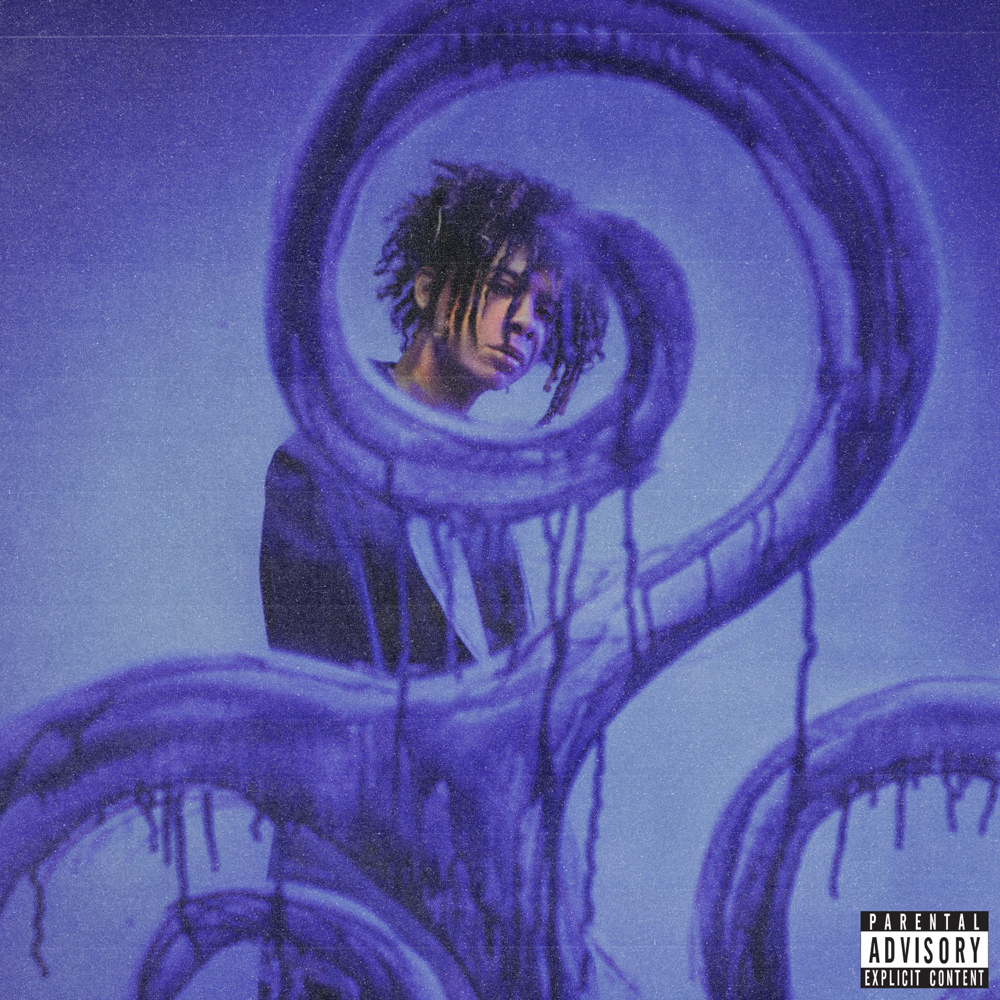
 View Artist