Song Meaning
The narrator opens with a stark declaration of lifelong enslavement, extending the condition to his entire family. He describes a life of labor on the Colonel's farm, surprisingly noting a lack of mistreatment and even a resigned acceptance of his fate, stating, "No need in me bein' free." This initial perspective establishes a complex emotional landscape, where the expected yearning for freedom is seemingly absent, replaced by a deep-seated inertia born from generations of bondage and the perceived stability offered by the current system.
This resignation is further explored as the narrator reflects on his youth, recalling freedom as a "biggest dream." However, his present self, older and "wiser," questions the practicalities of liberty, especially given the Colonel's paternalistic care for his family. The lyrics suggest that the perceived security and the Colonel's kindness have fostered a dependency that overshadows the abstract ideal of freedom, creating a profound internal conflict.
The turning point arrives with the Colonel's unexpected announcement. The imagery of the Colonel riding in, calling everyone around, and then walking away with a tear in his eye builds a palpable tension. The narrator's bewildered question, "Oh, Dear God, what did he say?" perfectly captures the shock and disbelief of the moment, leading to the climactic revelation: "Lincoln freed me today."
This final line delivers a powerful emotional punch precisely because it upends the narrator's carefully constructed worldview. The freedom he had ceased to desire, the freedom he questioned the utility of, has been thrust upon him by an external force. The lyrics' effectiveness lies in this dramatic irony, revealing that the deepest chains were not always physical, but psychological, forged by circumstance and a warped sense of security, only to be shattered by a historical decree.
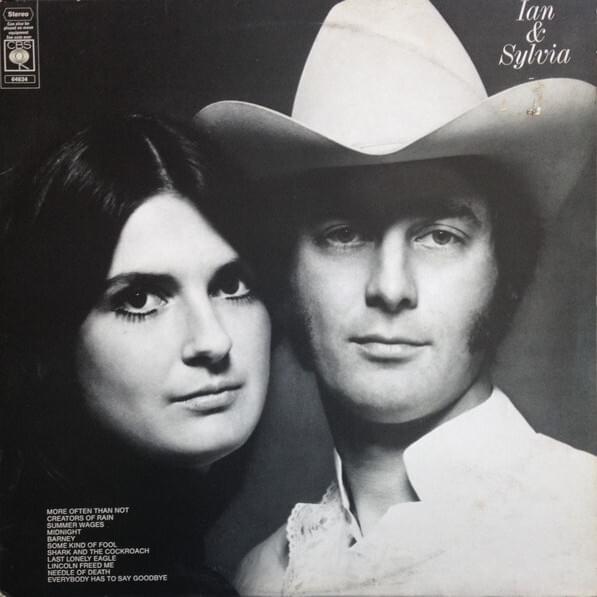
 View Artist