Song Meaning
The lyrics paint a stark picture of a "Fake World" built on deception and hidden suffering. We're introduced to two contrasting figures: one man bearing visible pain, carrying a can and a cat in the rain, marked by "crack as a tag" and "shame in his veins." This image is immediately juxtaposed with a "guy" who appears to have it all – a fancy car, a "nice matching tie," a "sexy mistress," and a seemingly flawless exterior that suggests he "doesn't seem like he cries." The narrator uses these sharp contrasts to highlight the superficiality that masks deeper realities.
The central tension arises from the collective self-deception the lyrics expose. The repeated refrain, "We've been lying to ourselves and it's a crying shame," underscores a profound disconnect between outward appearances and inner truth. The question, "When we're alone there is no one else why do we still play games?" points to the futility of these charades, especially when stripped of external validation. This suggests a deep-seated human tendency to maintain illusions, even when they serve no real purpose.
A particularly striking element is the portrayal of the "girl," who embodies a different facet of this artificiality. Described as looking "like a pearl" and spending on "nice curls," her perfection is revealed to be manufactured through "fake tan and tits." This focus on superficial enhancements further solidifies the theme of a world where authenticity is sacrificed for a polished, yet hollow, facade. The narrator's weariness, expressed simply as "I feel tired," acts as a powerful emotional anchor amidst these observations.
Ultimately, the effectiveness of these lyrics lies in their direct, unvarnished presentation of societal artifice. The narrator's shift to "Now you see me I think that I am good and free" introduces a layer of ambiguity, hinting at a potential awareness or even a new form of performance. The parenthetical aside "(but what do I know)" casts doubt on this newfound freedom, suggesting that even the narrator might be caught in the same web of illusion. This self-aware uncertainty makes the critique of the "Fake World" resonate more deeply, leaving the listener to question their own realities.
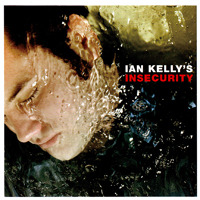
 View Artist