Song Meaning
Ian Hunter's "Everyone's A Fool" isn't a lament; it's a sardonic shrug. The track dives headfirst into the messy, tangled realities of desire and deception. The lyrics paint a scene of late-night encounters and dubious alibis. Hunter isn't condemning anyone, but rather observing the universal tendency towards foolishness when basic human urges take over. The phrase "Everyone's a fool, child, Everyone's wild" is the core idea; it's a mantra acknowledging that impulsive behavior and irrational decisions are simply part of the human condition. It's less a judgment and more a weary acceptance. This is the heart of the song's meaning. Hunter isn't offering excuses, but rather highlighting the inherent absurdity of trying to maintain control when everyone is susceptible to their own 'wild' impulses. The line, 'I'll say I was your fool, babe, 'Cause you know that's a lie' is particularly telling. It suggests a shared understanding of the game being played, where vulnerability is feigned, and honesty is a commodity.
The song doesn't wallow in moralizing. Instead, Hunter acknowledges the loneliness and the need for connection that often drive these interactions. "Now everybody gets lonesome, And we all need a friend" provides a glimpse of the vulnerability beneath the surface. It subtly hints at the reasons behind the foolishness, suggesting that the pursuit of connection can sometimes lead people down questionable paths. The repetitive structure of the song, with its cyclical return to the central refrain, mirrors the repetitive nature of these behaviors. It's a pattern that repeats itself, a dance of desire and deceit that plays out again and again.
Ultimately, “Everyone’s a Fool” by Ian Hunter isn't about finding blame, it's about acknowledging the inherent contradictions within human nature. It's a knowing wink to the audience, a recognition that we are all capable of foolishness, driven by our desires and our need for connection. The lyrics suggest that honesty becomes a negotiable currency, where everyone willingly participates in the charade. The casual delivery and the almost off-hand tone reinforce the sense that this isn't a shocking revelation, but rather a simple, unavoidable truth. It is a reminder that imperfection and irrationality are fundamental aspects of human experience.
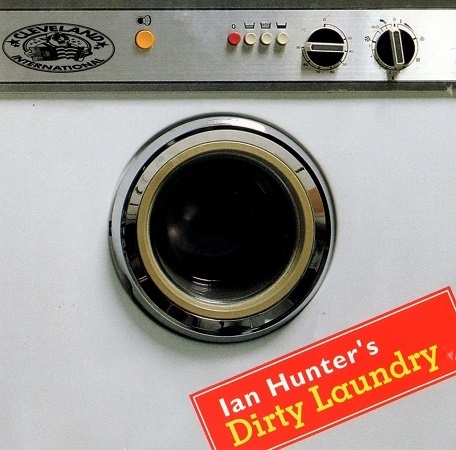
 View Artist