Song Meaning
Ian Gillan's rendition of "No More Cane on the Brazos" isn't just a historical footnote; it's a raw nerve exposed, a visceral reckoning with the brutal legacy of forced labor. The song, steeped in the lore of the Brazos River bottom in Texas, cuts straight to the bone of human exploitation. The opening lines, "There ain't no more cane on the Brazos / They ground it all up in molasses," carry a deceptively simple facade. It's not just about sugarcane; it's about the end of an era defined by back-breaking work and the grinding down of human spirits. The molasses, a byproduct of that labor, becomes a bitter symbol of a system built on suffering. Gillan doesn't shy away from the violence; he stares right into it.
The lyrics paint a stark picture of life and death along the river. The reference to 1904 and 1910 isn't mere historical detail; it's a pinpointing of specific moments in time when the cruelty was at its peak. The line about finding "many dead men most every road" is chillingly matter-of-fact, highlighting the disposability of human life under this oppressive regime. The escalation of cruelty, marked by the driving of women alongside men in 1910, underscores the complete dehumanization inherent in the system. It's not just about physical labor; it's about the systematic stripping away of dignity and humanity.
But "No More Cane on the Brazos" isn't just a lament; it's a call to action, albeit a ghostly one. The repeated plea, "Why don't you rise up, you dead men / Help me drive my road," is a powerful invocation of the past, urging the spirits of those who suffered to rise up and lend strength to the present struggle. The final verse, with its stark choices – "some in the building, some in the yard, some in the graveyard, some going home" – and the urgent call to "wake up" and "lift up your heads," becomes a universal anthem of resistance. It transcends its specific historical context, resonating as a timeless reminder that the fight for justice is never truly over, and that the echoes of past struggles continue to shape our present.
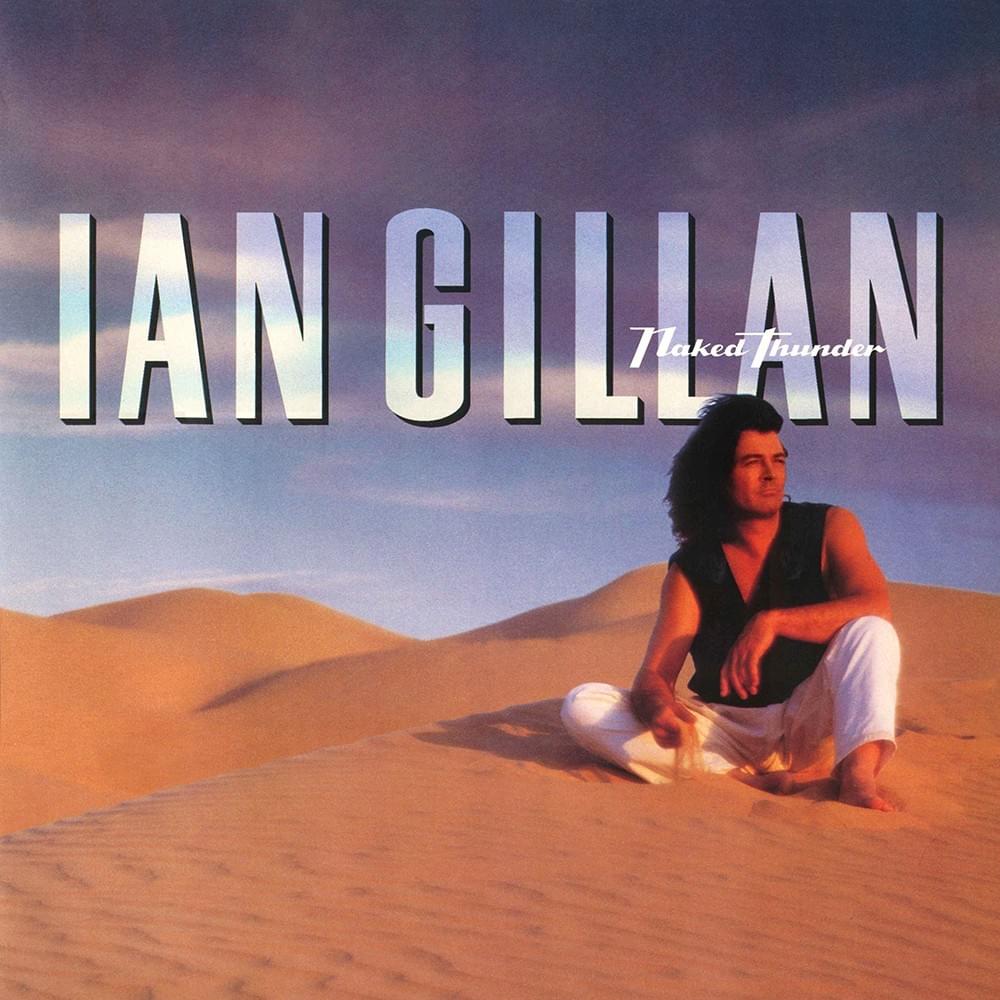
 View Artist