Song Meaning
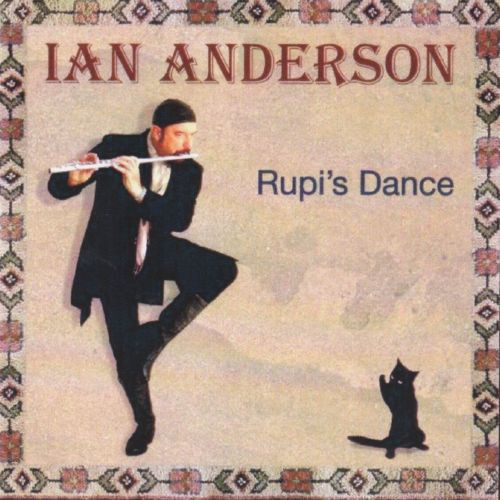
Ian Anderson's "Rupi's Dance" is a masterclass in suggestive imagery, painting a vivid portrait of a young woman whose allure transcends mere physicality. The song's meaning coils around the intoxicating power of seduction, hinting at a relationship dynamic steeped in both desire and potential danger. Rupi's dance isn't just a physical act; it's a carefully orchestrated performance meant to captivate and control. The opening lines, "She dances through the flower-filled room – Sea-green eyes a-sparking," immediately establish an atmosphere of sensual abundance and focused intent. The ambiguity of her eye color ("Or are they blue?") suggests a protean quality, a chameleon-like ability to adapt and entice.
The lyrics delve into the intricate dance between Rupi and the unnamed "master," a figure presumably older and perhaps holding some form of power or influence. The references to "frozen parquet" and "arabesque in compound time" evoke a sense of formality and precision, contrasting with the raw, primal nature of the attraction. This tension between control and abandon is central to understanding the song's deeper meaning. Rupi's "sultry smile" and "come hither gaze" are not innocent invitations; they are calculated moves in a game of seduction, designed to draw the master into her orbit.
Ultimately, "Rupi's Dance" explores the intoxicating and potentially destructive nature of desire. The lines "Born of ungodly maker – Draws me: moth to candle bright" suggest a fatal attraction, a recognition that Rupi's charm is both irresistible and dangerous. She is a "fiery pleasure-seeker," and the song implies that those who succumb to her allure risk being consumed by the flame. The repetition of "It's Rupi's dance: the message clear / Her movement does the talking" reinforces the idea that her power lies not in words but in the unspoken language of her body and her carefully constructed persona.
 View Artist