Song Meaning
Ian Anderson's "End Game" isn't a track for the faint of heart; it’s a swan song steeped in melancholy and acceptance. The opening lines, "I'm slipping into grey / And I was (in my way) good to you / And you were good for me," immediately establish a tone of resignation, a quiet acknowledgment of a relationship's natural conclusion. This isn't a bitter breakup anthem; it's a mature, almost clinical observation of love's lifecycle. The phrase "slipping into grey" suggests a fading, a loss of vibrancy, hinting at the emotional fatigue that often precedes a final parting. The lyrical analysis points towards a mutual understanding, a shared history acknowledged with a touch of tenderness. The idea of having been 'good' to one another, albeit 'in my way', hints at the inherent imperfections in any relationship, the quirks and flaws that ultimately contribute to its unique character and eventual demise. Despite these imperfections, there's a recognition of mutual benefit, a sense that both parties gained something valuable from the time spent together.
The repeated motif of playing the "end game" isn't about winning or losing in a conventional sense. Instead, it’s about navigating the final stages of a relationship with grace and dignity. Anderson uses the imagery of a dream "waiting for you when / Sleep comes around" to offer a glimmer of hope, suggesting that even in the face of separation, there's still room for comfort and solace. This dream represents an idealized version of the relationship, a memory to cherish even as reality dictates a different path. The song meaning here isn't necessarily about romantic love exclusively; it can also be interpreted as the ending of any significant chapter in life. The request for a "re-match in warm snow" is a whimsical, almost surreal touch, a playful suggestion of a future reunion under improbable circumstances. It adds a layer of complexity to the song, hinting at a desire for reconciliation while simultaneously acknowledging its unlikelihood.
Ultimately, "End Game" is a poignant meditation on closure. The images of "faces at the door" looking "lost to see / Me waving as I brush / Away a tear" paint a picture of quiet farewell. The onlookers may be bewildered, unable to fully grasp the emotions at play, but the narrator maintains a stoic composure, acknowledging the sadness while embracing the inevitable. The single tear isn't a sign of weakness, but a symbol of the depth of feeling involved, a silent tribute to the shared history and the emotional investment that is now coming to an end. Ian Anderson delivers a nuanced and affecting portrayal of a relationship's final moments, reminding us that even in endings, there can be beauty and a strange sense of peace.
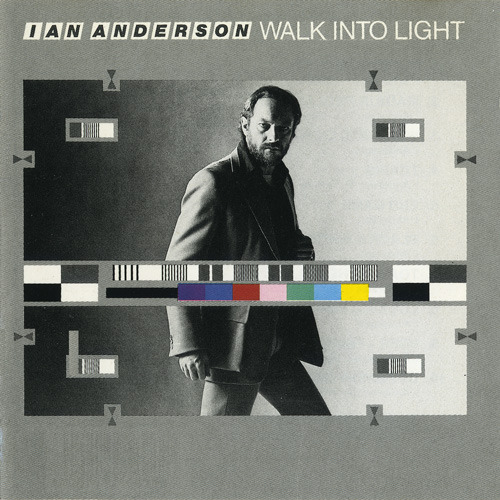
 View Artist