Song Meaning
The lyrics present a stark internal dialogue, oscillating between self-recrimination and a desperate plea for self-acceptance. Initially, the narrator confronts someone, perhaps themselves, with a harsh assessment: "You are not the victim," yet simultaneously questions their ability to succeed, "I'm not sure you will make the cut." This sets up a tension between external blame and internal doubt, suggesting a struggle with self-sabotage and a loss of motivation. The idea of "prophetic self-destruction" points to a pattern of behavior that actively creates distance and prevents genuine connection.
The core conflict emerges in the recurring "Mirror" section, where the narrator grapples with internal turmoil. "Poison in my head" and a "hole's too deep for the drugs" paint a vivid picture of mental anguish and the inadequacy of external coping mechanisms. The city is cast as an antagonist, responsible for cultivating these fears and distorting perception. This section is a raw cry for reclamation, a wish to undo the damage inflicted upon the self.
The most striking craft element is the direct address to the "Mirror," acting as both confidant and accuser. This inanimate object becomes the focal point for the narrator's fractured identity and their yearning for truth. The shift from accusatory pronouncements to the desperate "give me back my time" highlights the profound sense of loss and the desire to regain control. The repeated "I am alive" serves as a mantra, a fragile assertion against the overwhelming despair.
Ultimately, these lyrics resonate because they capture the exhausting battle against one's own destructive impulses. The raw honesty about mental struggle, the feeling of being trapped by external forces like the "city," and the desperate search for self-validation make the internal conflict palpable. The writing doesn't offer easy answers but instead lays bare the difficult process of confronting oneself and fighting for survival.
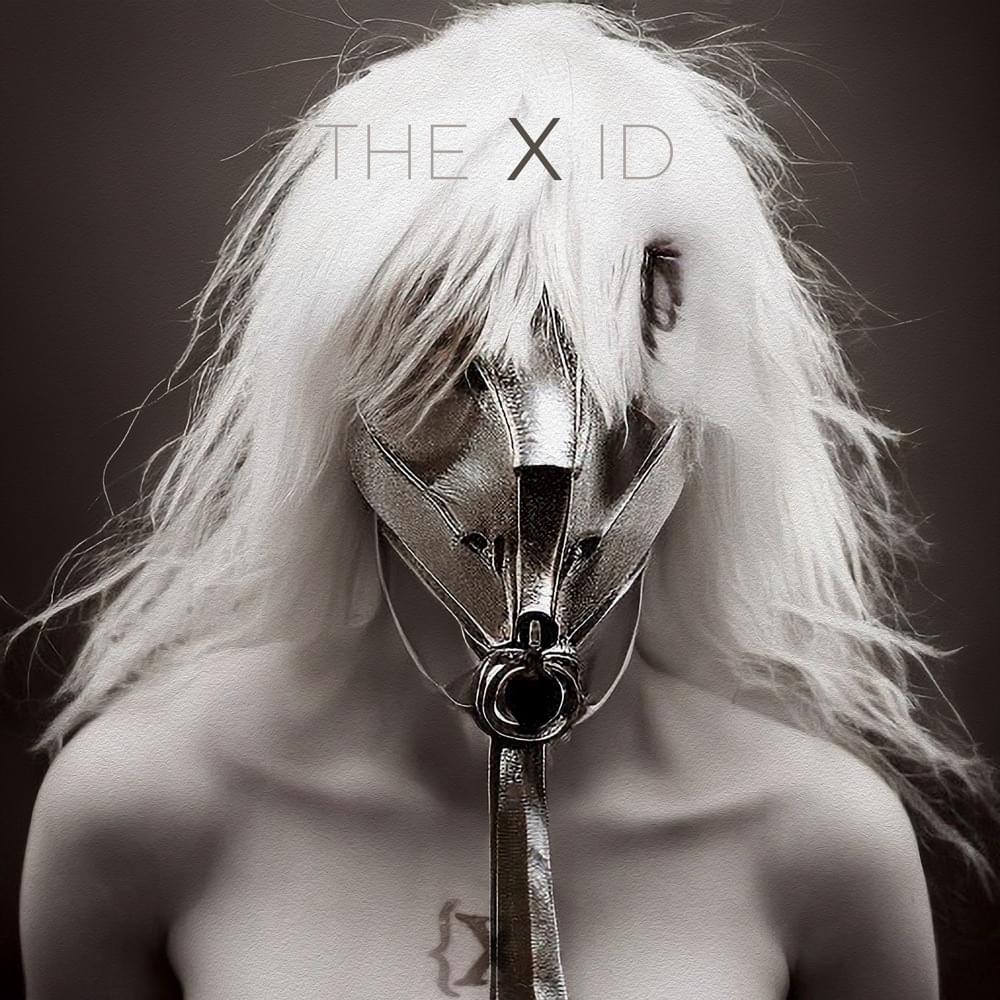
 View Artist