Song Meaning
The lyrics paint a stark picture of a figure who has already endured immense hardship, arriving at a point of profound resignation. The opening lines suggest a primal, almost pre-historic existence, arriving "before all the waters washing over empty shore," implying a state of being before cleansing or perhaps before any form of civilization or consequence. This initial state is immediately contrasted with a history of "prisoner cells," from which the narrator claims to have "escaped it all," yet paradoxically, they "still ask for more." This sets up a complex internal conflict: a desire for something beyond mere survival, even after escaping confinement.
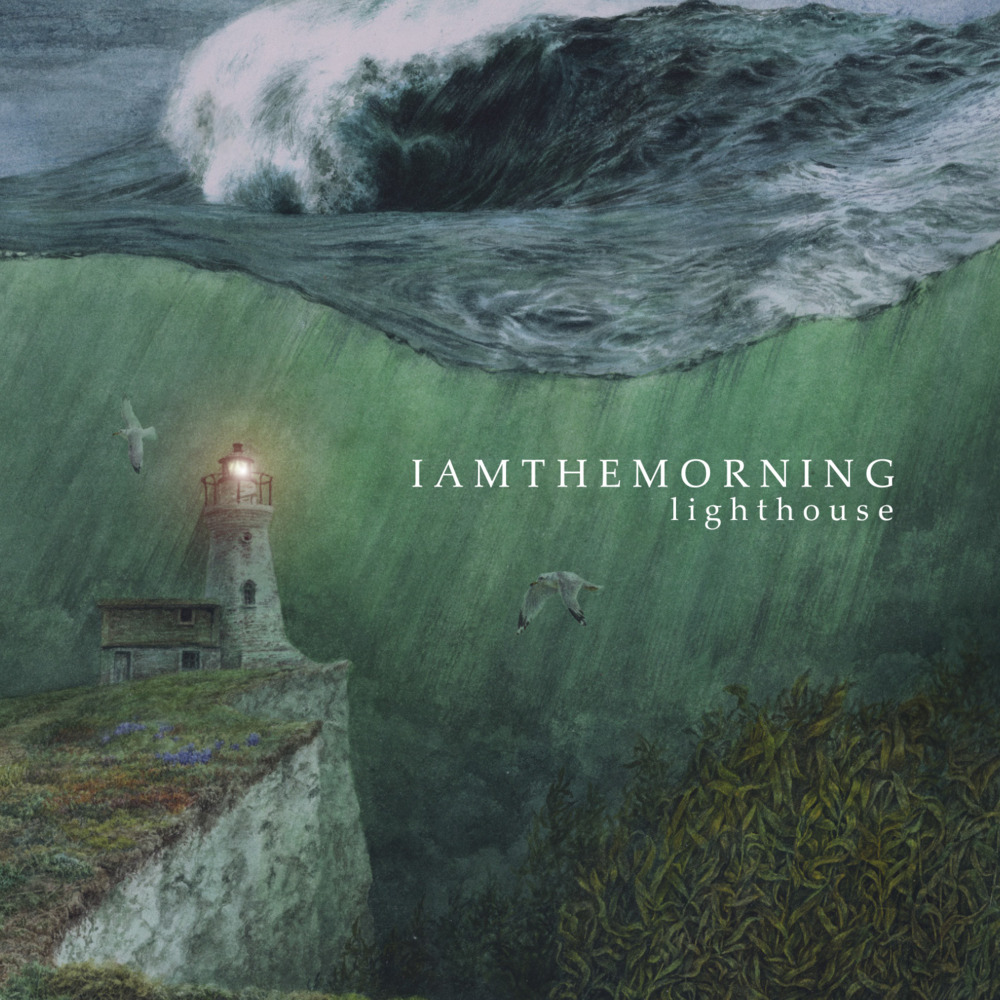
The dominant emotional tension arises from this paradox of seeking more after escaping everything. The imagery shifts from a vast, empty past to the immediate, painful present. "Stones lay cold and sharp / Under my aching bare feet" grounds the experience in visceral, physical suffering. This suffering isn't a new revelation; it's the path leading directly to the narrator's decision. The act of "walking into water" is presented not as a cleansing or a new beginning, but as a deliberate acceptance of "final defeat."
The most striking craft element is the juxtaposition of immense, almost cosmic scale in the opening lines with the intensely personal and physical pain in the latter half. The phrase "I came before" carries a weight of ancientness, while the "aching bare feet" on "cold and sharp" stones are acutely present. This contrast highlights the narrator's long and arduous existence, culminating in a moment where the only perceived option is surrender. The water, often a symbol of rebirth or purification, here signifies the end, the ultimate release from a life of inescapable pain and a paradoxical yearning.
These lyrics resonate because they capture a profound sense of existential weariness. The narrator has survived immense trials, only to find themselves in a present so agonizing that surrender feels like the only logical, albeit tragic, conclusion. The writing doesn't offer easy answers or external blame; it focuses on the internal state of a soul pushed to its absolute limit, where even the desire for
 View Artist