Song Meaning
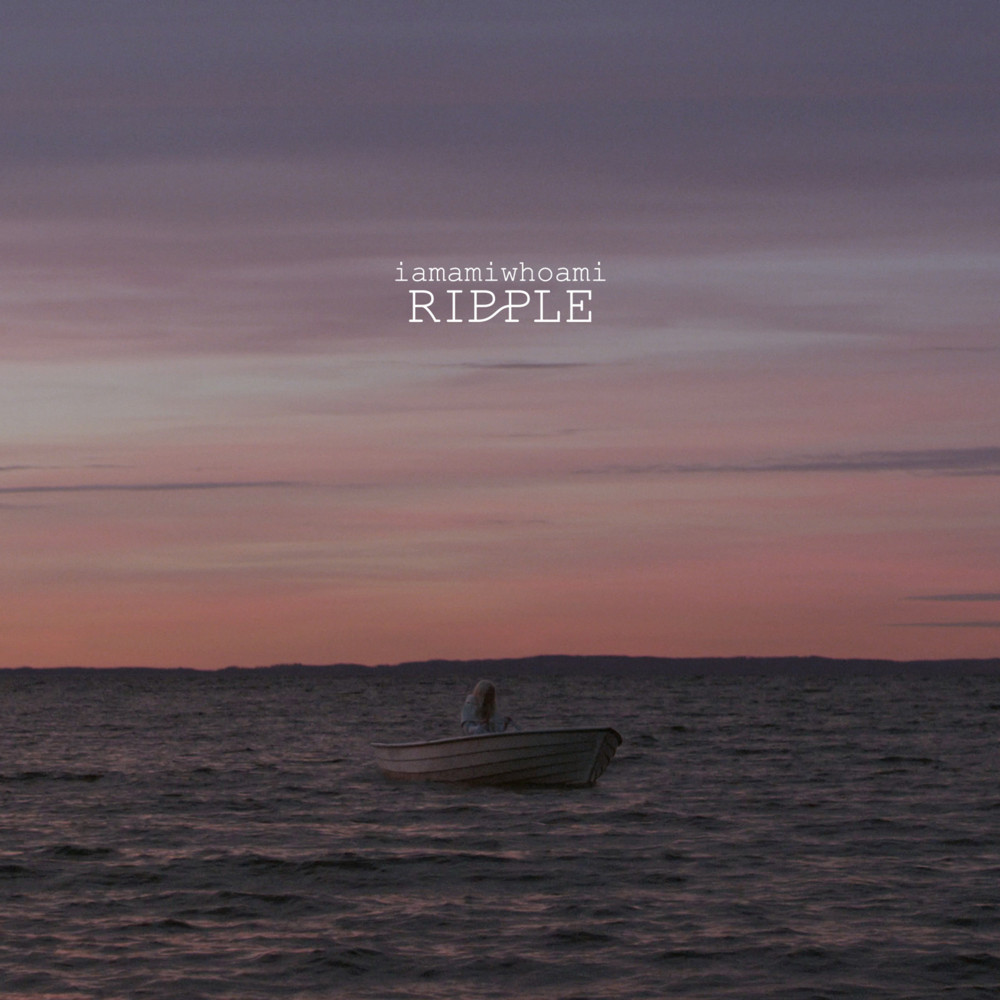
The lyrics paint a picture of precarious survival against an overwhelming tide. The narrator is desperately trying to preserve their 'innocence' from a rising 'line,' a struggle that feels both personal and communal. There's a palpable sense of impending doom, a fear that the 'raft' will run 'aground' before any meaningful experience, like hearing a sound, can even occur. This sets a tone of urgent, almost frantic, self-preservation.
The central tension emerges between the narrator's fight for purity and an invitation to embrace the chaos. While the first verse focuses on keeping 'innocence dry,' the second verse shifts to a more communal, perhaps even fatalistic, perspective. The 'built ship' offers no salvation, suggesting that conventional safety is futile. Instead, the narrator urges the listener to 'take a dive,' implying that submersion into the overwhelming 'ripple' is the only way to truly engage or perhaps even survive.
The imagery of 'flotsam and jetsam' and 'driftwood' in the outro powerfully captures the detritus of a lost cause or a failed journey. This collection of wreckage contrasts sharply with the idea of a 'forest,' a natural, ordered entity. The final question, 'Can't you see the forest for the trees?', suggests a profound disconnect between the immediate, overwhelming details of their struggle (the driftwood) and the larger, perhaps more hopeful, picture (the forest) that they are failing to perceive or access.
This lyrical construction is effective because it uses the metaphor of water and sailing to explore a deep-seated anxiety about losing oneself to external pressures. The shift from individual struggle to a communal invitation to 'dive' creates a compelling emotional arc. The final, almost exasperated, question leaves the listener contemplating whether true understanding lies in fighting the tide or embracing its destructive, yet potentially revealing, force.
 View Artist