Song Meaning
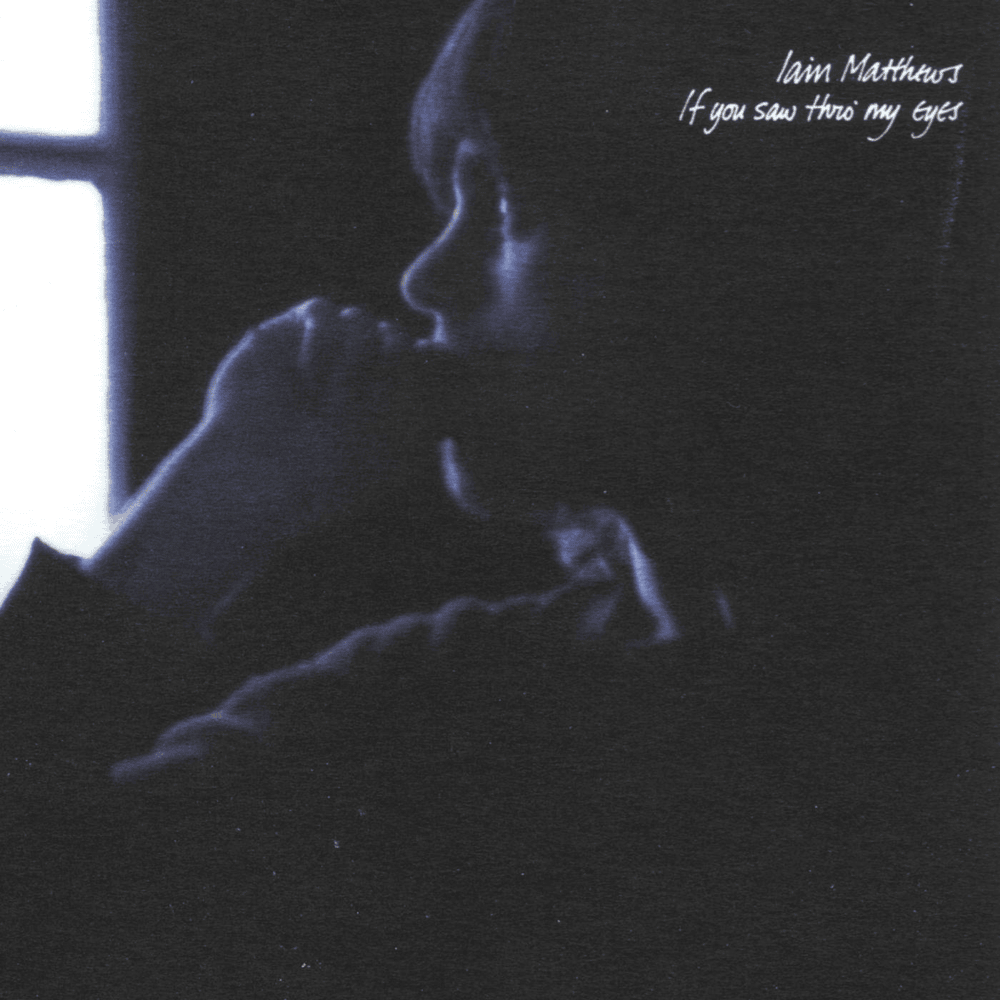
The narrator opens with a plea to a higher power, questioning the morality of his desires and his very nature. He feels fundamentally different from others, posing a direct challenge: "If you saw thro' my eyes, what would you do?" This immediately establishes a tone of profound self-doubt and a desperate need for divine validation. The simple life he craves, specifically the urge to sing, feels like a genuine aspiration, yet he still seeks external confirmation that it's not a misguided path.
The core tension lies in the narrator's perceived separation from a standard of righteousness, embodied by the "Lord above us." He acknowledges past actions, specifically "ones I've had to leave," suggesting a history of difficult choices or perhaps abandonment that weighs heavily on him. This confession, shared directly with the listener, amplifies the vulnerability inherent in his plea for understanding. He’s not just asking if his actions are wrong, but if his entire perspective, his very way of seeing the world, is flawed.
The repeated question, "If you saw thro' my eyes, what would you do?" acts as a powerful rhetorical device. It’s not merely a request for empathy, but an invitation to inhabit his unique, burdened perspective. The lyrics suggest he carries a significant weight of responsibility for past decisions, and this internal struggle is projected outward, seeking an external judgment or, perhaps, absolution. The contrast between his desire for a "simple life" and the complex, guilt-ridden past he admits to creates a poignant internal conflict.
Ultimately, the effectiveness of these lyrics stems from their raw, unvarnished honesty and the direct, almost confrontational, appeal to the divine and the listener. The narrator isn't seeking easy answers; he's laying bare his perceived flaws and asking for a radical act of understanding. The ambiguity of his situation—what exactly he's done, who he's left behind—only intensifies the emotional impact, forcing the audience to grapple with the unsettling question of how they, too, might judge or understand such a perspective.
 View Artist