Song Meaning
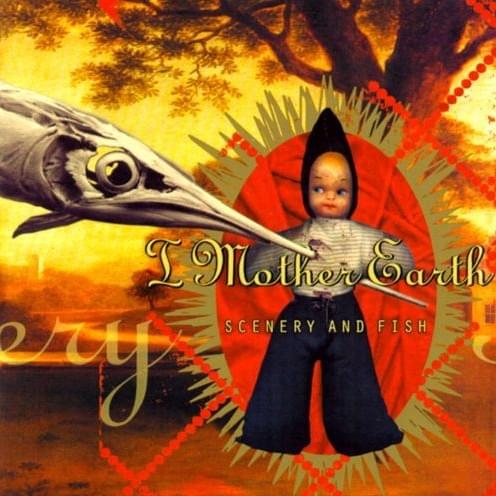
The lyrics paint a vivid picture of a profound emotional and mental exhaustion, a state of being overwhelmed that leaves the narrator feeling infantile and vulnerable. The opening lines, referencing a "poetry of this hangover," immediately establish a tone of weary introspection, where even basic sensory input like "scenery and fish" feels oppressive. This isn't just a physical ailment; it's a deep-seated malaise that makes the narrator "swallow" down difficult realities, clinging to the idea that "It could be worse" as a fragile defense.
The core tension arises from the narrator's inability to connect with the external world or find solace in it. While others are described with "All red eyes, all heads thinking," their thoughts are inaudible "down here on the floor where I belong." This physical positioning underscores a sense of isolation and helplessness, suggesting a retreat from a world that feels too demanding or incomprehensible. The "tones of beige and green" offer a fleeting, insufficient calm, only momentarily "halt[ing] a scream in waiting."
The most striking aspect is the recurring motif of feeling "three days old." This isn't a literal age but a powerful metaphor for regression under extreme stress, a state of utter dependence and lack of agency. The narrator is "Too young to find the horses" and "Too young fighting causes," indicating a profound inability to engage with adult responsibilities or conflicts. This infantilization is amplified by the contrast with another person who "like[s] everything" and whose "Arms wave in a spin," a carefree energy the narrator can no longer access or even comprehend.
Ultimately, the effectiveness of these lyrics lies in their raw portrayal of mental fragility and the stark contrast between internal collapse and the perceived normalcy of others. The narrator's self-imposed isolation on the floor, a place they feel they "belong," is a poignant image of surrender. The "rain of could thoughts" that "wreck my high" perfectly captures how intrusive anxieties can shatter any fleeting moment of peace, leaving the narrator feeling irrevocably diminished and disconnected.
 View Artist