Song Meaning
The lyrics open with a stark paradox: the sun illuminates but "never sees the stars." This immediately sets a tone of profound, almost cosmic, blindness. Humanity, too, struggles to find self-knowledge despite its efforts to "illuminate the atmospheres." The repeated refrain, "the moon is a blind eye," anchors this sense of an indifferent or unseeing universe.
A core tension emerges between grand aspirations and inherent limitations. The speaker observes how we "dig amongst the rocks and stones" to find the past, even "consecrate our ruins" in a curious praise of endurance. Yet, this intense focus on external history or cosmic observation doesn't seem to resolve the fundamental human question of "who we are." The moon's "blind eye" seems to reflect this universal inability to truly perceive.
The insistent repetition of "the moon is a blind eye" isn't just a refrain; it becomes a rhythmic, almost meditative statement of cosmic indifference. This stark image contrasts sharply with the human drive to understand and connect. The sun, a symbol of light and glory, is ironically unable to "see the stars," suggesting that even the most powerful forces can have profound blind spots, mirroring humanity's own struggle for insight.
The lyrics pivot dramatically in the final stanza, shifting from broad observations to a deeply personal plea: "Did you notice anything that's mine." This question suggests a yearning for recognition or shared experience within the vast, unseeing landscape. The concluding declaration, "To be loved... is to be divine," offers a powerful, almost redemptive counterpoint. It implies that while the cosmos may be blind to our individual searches for meaning, love itself might be the ultimate, transcendent form of sight and purpose.
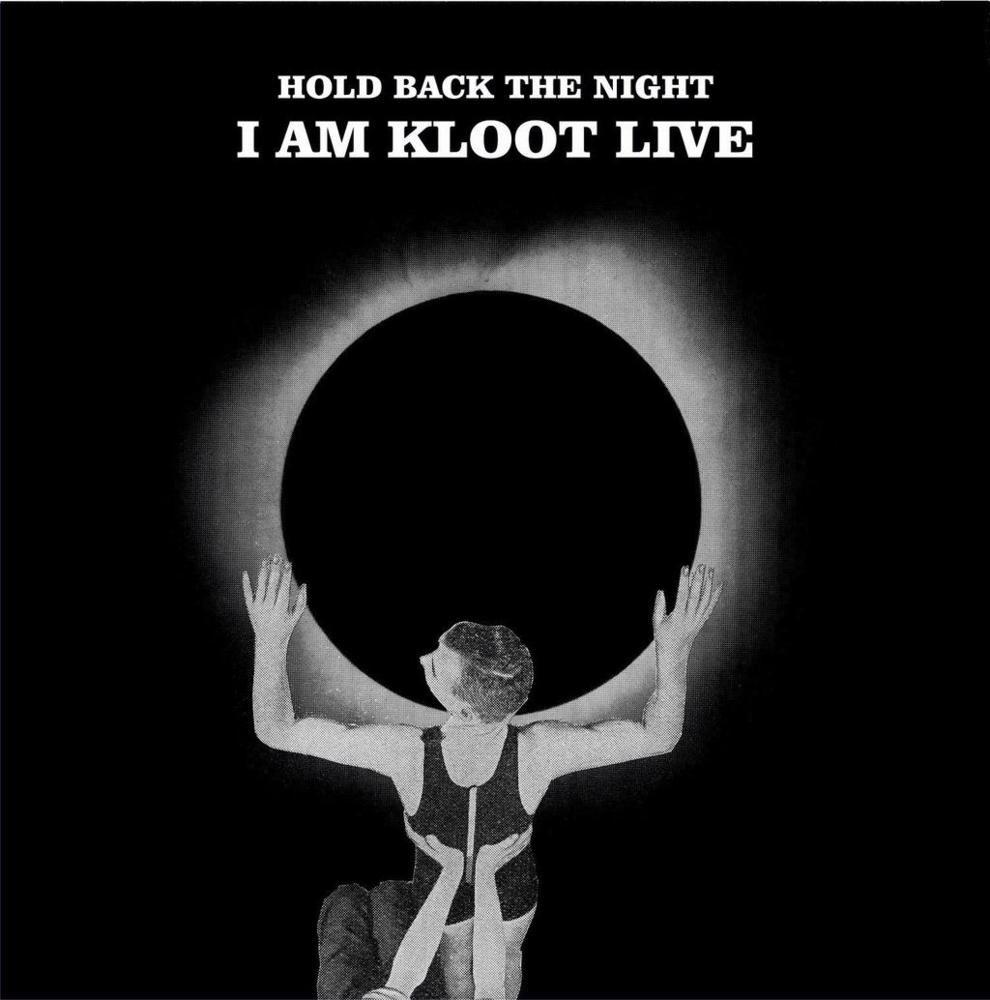
 View Artist