Song Meaning
The lyrics paint a stark picture of a spiritual crisis, moving from "crippling ways" of "religious innocence" to a desperate confrontation with mortality. There's a sense of forced exposure, a demand to be "nacked" and to "destroy the un? christ," suggesting a violent shedding of old beliefs. The tone is one of grim inevitability, where "slow death" and "sorrow torturing" seem to be the only certainties.
The central tension lies in the narrator's struggle against an overwhelming force, possibly a divine or ancestral judgment. The arrival is met with "sorrow," and the narrator feels their "power" diminishing as "time has come." This confrontation is framed by stark choices: a "knife" or an "eternal ?," hinting at a forced sacrifice or an unavoidable end.
The most striking element is the paradoxical embrace of darkness as "salvation." The "voice" that calls back declares, "No will, it's time to die," and the narrator finds solace not in traditional light, but in the "darkness." This suggests a radical redefinition of spiritual fulfillment, where surrender to oblivion is the ultimate act of defiance or peace.
This piece resonates because it captures a profound existential dread with raw, unflinching language. The fragmented imagery and the stark pronouncements create a sense of being trapped in a moment of ultimate reckoning. The unexpected turn towards darkness as salvation offers a chilling, yet compelling, perspective on facing the void.
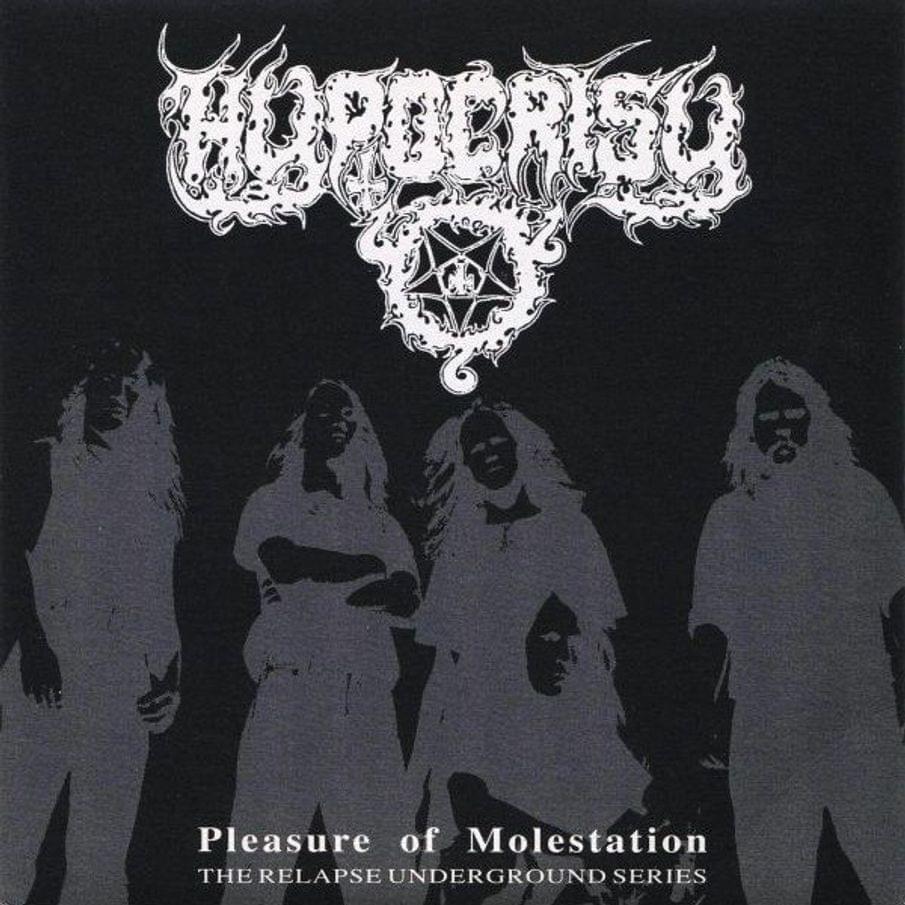
 View Artist