Song Meaning
The lyrics paint a picture of a figure shrouded in darkness, haunted by a persistent shadow and a whispered "spell." There's a sense of being lost, with no memory of the surroundings, only the oppressive "darkness" and the echoing "shadow." This initial disorientation sets a tone of mystery and perhaps a touch of dread, as a ritualistic element emerges with the repetition of a "spell" and blowing out a candle.
The central tension lies in the narrator's fierce declaration of independence versus an undeniable attachment. They warn the listener away, describing themselves as "dangerous" with "thorns" that draw "red blood." This imagery suggests a protective, perhaps even venomous, nature. Yet, this fierce self-preservation is immediately undercut by the repeated, desperate plea, "But I can't let you go," revealing a deep internal conflict between the need for freedom and an inability to sever a connection.
The writing masterfully contrasts the narrator's stated desire for unbound freedom with their emotional paralysis. Phrases like "I won't be tamed" and "I don't stay long" emphasize a transient, elusive identity, like a "bird flying higher." This is juxtaposed with the insistent refrain "But I can't let you go," creating a powerful dissonance. The "flower that bloomed for just one day" and the "illusion" that only appears to the listener further highlight this duality – a fleeting, perhaps deceptive, beauty that nonetheless holds the narrator captive.
This lyrical construction is effective because it grounds abstract feelings of longing and entrapment in vivid, almost visceral imagery. The warning of "red blood" and the image of a wilting "flower" make the narrator's internal struggle palpable. The repetition of "But I can't let you go" acts as an emotional anchor, a raw admission that cuts through the bravado of independence and resonates with anyone who has felt pulled in opposing directions.
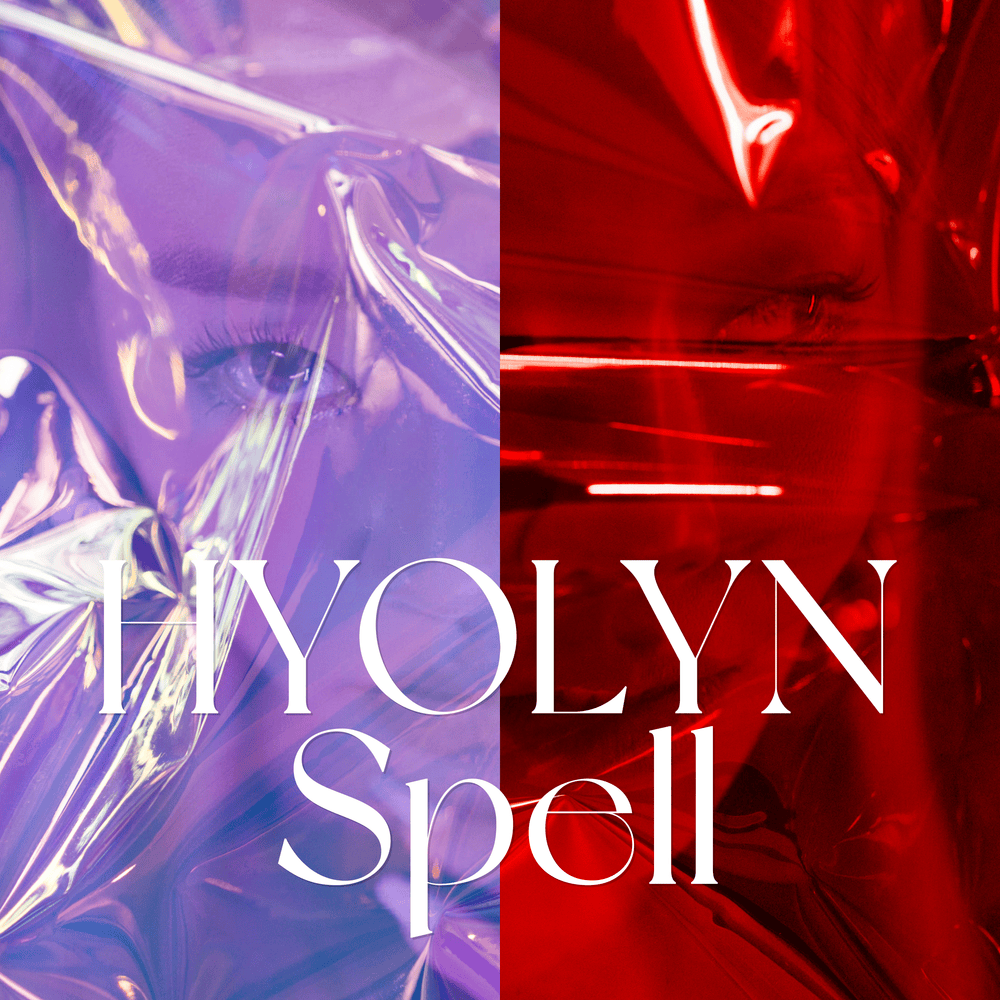
 View Artist