Song Meaning
The lyrics paint a stark contrast between a romanticized past and a disillusioned present, suggesting that official histories omit crucial, often harsh, realities. Verse one presents a seemingly ordered, albeit impoverished, society where roles were clearly defined: women sewed flags, men fought, and children learned basic skills. This era is characterized by 'long, long hours and short, short pay,' hinting at hardship beneath the surface of national pride. The narrator explicitly rejects this sanitized version of the past, stating, 'It's not what they taught me.'
The central tension arises from the disconnect between the 'history book' narrative and the unacknowledged 'folk lore' – the unspoken truths and lived experiences. The repeated phrase 'Momma never told you' implies that these hidden narratives were passed down through personal, familial channels, not formal education. This 'folk lore' seems to encompass the struggles, the moral compromises, and the often-unseen sacrifices that shaped the past, suggesting a more complex and less heroic reality than the textbooks allow.
The craft here hinges on sharp juxtapositions and a cyclical structure. The simple, almost childlike descriptions of the past ('sewed the Stars and Stripes,' 'learned arithmetic') are immediately undercut by the reality of poverty and grueling work. Verse two then mirrors this structure with a present-day depiction of societal decay: 'women scream for equal rights,' 'man wants to have an affair,' and 'children learn to hate the world.' This parallel structure, despite the differing content, reinforces the idea that 'some things never change,' or at least, the underlying human struggles persist.
Ultimately, the effectiveness lies in its subtle indictment of official narratives and its embrace of the messy, human truths that define lived history. The repeated assertion that 'heroes always die' serves as a somber, grounding conclusion, stripping away any lingering romanticism. The lyrics suggest that true understanding comes not from grand historical accounts, but from the whispered, often difficult, 'folk lore' that reveals the persistent, unvarnished human condition.
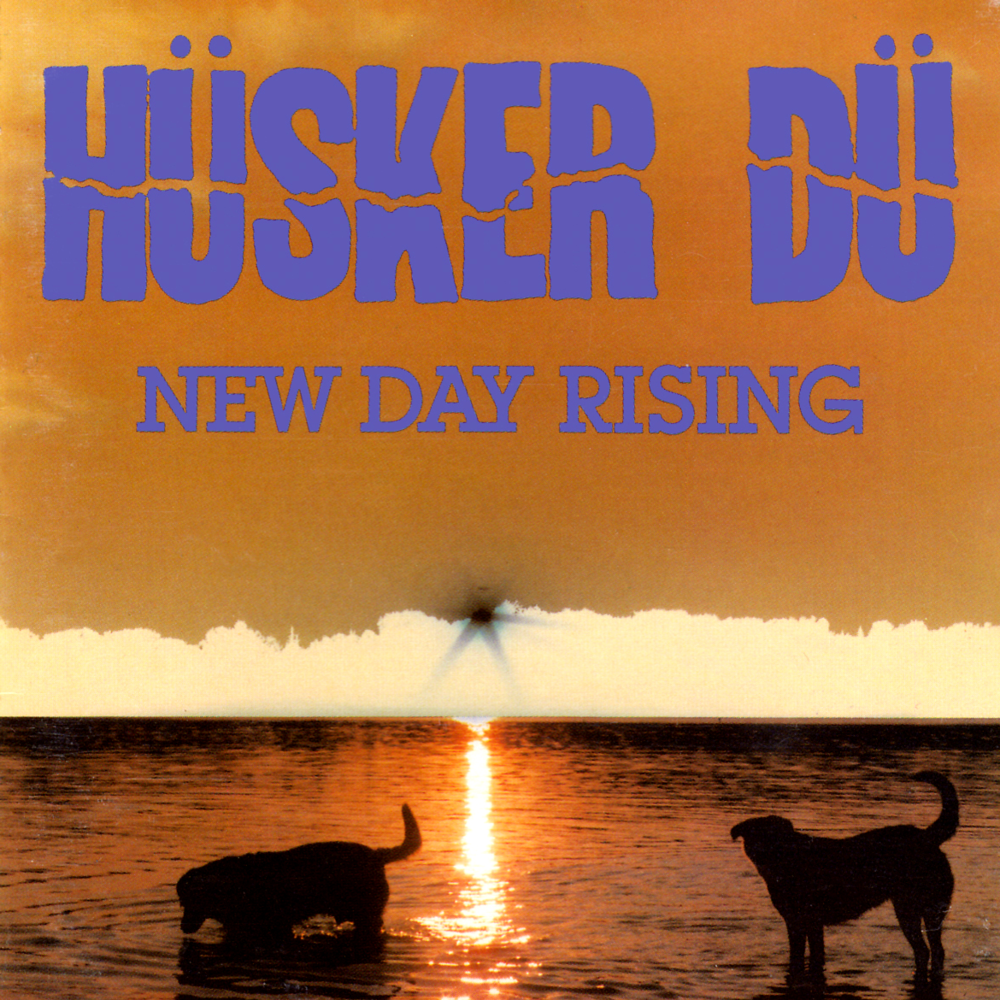
 View Artist