Song Meaning
This track throws you headfirst into a disorienting, almost gleeful embrace of mental vacancy. The repeated "Lobotomy" isn't just a word; it's a sonic and thematic anchor, establishing a raw, almost primal state of being. The narrator declares a kind of freedom found in having "no mind to lose," a bizarre liberation from the burdens of thought. This sets up a darkly humorous, almost defiant persona who finds happiness in a chemically induced or surgically altered state.
The central tension here is the paradox of finding contentment in a state of profound mental impairment. The narrator claims to be a "real sickie" thanks to "DDT," a substance that ironically "keeps me happy." This isn't a lament; it's a declaration of a peculiar, almost perverse satisfaction. The idea of getting a "ph.d" while having "no cerebellum" highlights the absurd disconnect between aspiration and reality, or perhaps a redefinition of achievement in this altered state.
The most striking craft element is the juxtaposition of clinical terms with a childlike, almost nursery-rhyme cadence. Phrases like "slugs and snails are after me" sit alongside "no cerebellum" and "teenage lobotomy." This creates a jarring effect, amplifying the sense of mental fragmentation and the unsettling blend of innocence and severe cognitive damage. The repetition of "lobotomy" and the casual mention of DDT contribute to a feeling of inescapable, yet strangely accepted, mental decay.
Ultimately, the lyrics hit hard because they tap into a primal fear of losing oneself, but flip it into a defiant, albeit disturbing, celebration. The narrator's apparent joy in their "sickie" status and lack of a "mind to lose" is unsettling precisely because it offers a warped perspective on happiness. It’s a raw, unfiltered expression of a mind that has seemingly checked out, finding a perverse peace in its own dissolution.
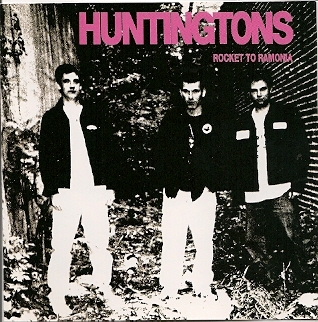
 View Artist