Song Meaning
The lyrics paint a picture of a once-idyllic "Sweet wonderland" on a "South Pacific shore." Yet, this paradise is immediately undercut by a sense of stagnation and decay. It's a place "too old to move," where beauty coexists with an unsettling emptiness.
A profound tension emerges between the promised "Garden of Eden" and the stark reality of an "Empty playground - drenched in sorrow." The recurring phrase "Sweet wonderland" becomes increasingly ironic, highlighting a facade over a deeper malaise. This place, initially boundless with "no horizon," is paradoxically trapped, facing an imminent end as "the forest weeps last harvest tomorrow."
The sudden, almost jarring inclusion of "Made in Japan" punctures the dreamlike imagery, grounding the abstract "wonderland" in a consumerist reality. This detail precedes a vivid image of futile escape: "The pleasure boats are leaving / But there's nowhere to go." The urgency escalates with "only minutes left," suggesting an inescapable, final countdown, underscored by the ominous "whistle blow."
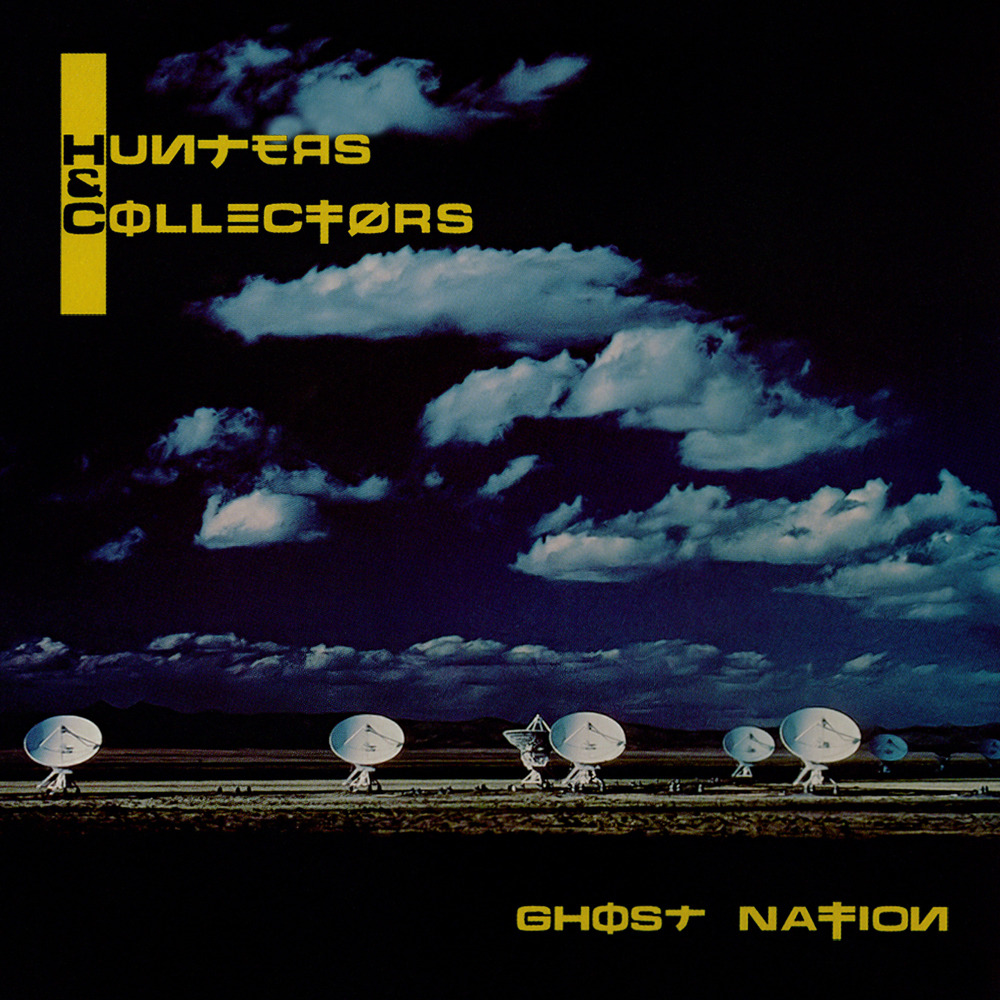
The lyrics effectively critique a culture built on fleeting promises, where one might "sell you something - you think it's gonna last." This cynical observation sets up the powerful concluding statement. Despite the decay and the commodification of beauty, the "Ghost nation's soul can never be sold," suggesting an intrinsic, uncorruptible essence that defies material transaction or destruction. This defiance offers a poignant counterpoint to the pervasive sense of loss.
 View Artist