Song Meaning
The lyrics paint a picture of profound isolation, even when surrounded by others. The narrator observes someone, perhaps a figure of authority or a parental substitute, and questions their own presence. There's a desperate yearning for attention, a desire that seems to be fulfilled, yet paradoxically leads to an intensified feeling of loneliness. This central tension between seeking connection and experiencing emptiness is the emotional core.
The song introduces a collective voice, "We are small but we are many," which contrasts sharply with the narrator's individual solitude. This group claims an ancient presence, existing before and after the figure they address. Their description, "We have teeth and we have tails," suggests a primal, perhaps even monstrous, nature, yet they also possess "eyes" and a desire to be "at home." This duality hints at a hidden, unacknowledged existence.
The most striking element is the description of the observed person's eyes: "Inside her eyes / There's nothing / But a face / No complexion and no life." This chilling image suggests a profound emptiness or a lack of genuine connection, a void that mirrors the narrator's own internal state. The plea to an "Other mother" for pity and a return "home" underscores the narrator's deep-seated need for belonging and safety, a need that seems unmet.
Ultimately, the effectiveness of these lyrics lies in their stark, almost childlike directness combined with unsettling imagery. The simple, repetitive structure of the "We" verses, juxtaposed with the narrator's personal lament, creates a disorienting yet compelling emotional landscape. The recurring phrase "There's nothing there" acts as a devastating refrain, emphasizing the pervasive sense of absence and the elusive nature of true connection.
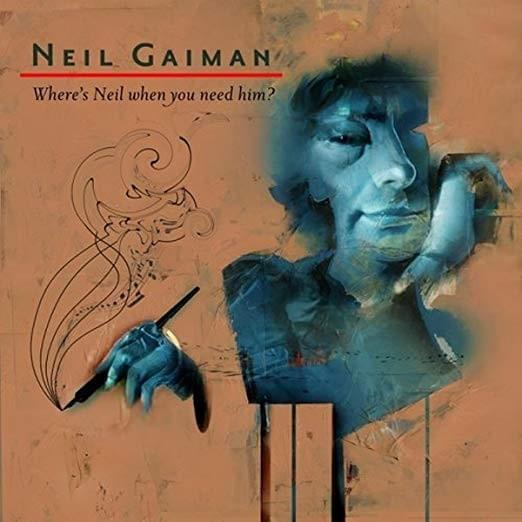
 View Artist