Song Meaning
The lyrics paint a picture of a weary individual seeking solace in dreams, but finding their vision obscured. The arrival of night brings a "grey veil" over the eyes, preventing the narrator from seeing "my dreams." This isn't just about sleep; it's about a deeper inability to access inner desires and imagined worlds. The recurring phrase "my dreams" emphasizes a personal, internal landscape that feels just out of reach.
The central tension lies in this yearning for dreams and hidden desires, contrasted with the "smoky haze" that clouds perception. The narrator explicitly states, "If I were to dream / I could see hidden desires," highlighting the potential for dreams to reveal what is normally unseen. Yet, the "smoky haze" and the "veil of fog" over thoughts prevent this revelation, creating a poignant sense of frustration and longing for clarity.
The most striking element is the repeated plea, "Fairy tale, fairy tale, come to me someday / Fairy tale, fairy tale, be my guest one night." The word "Mese" (fairy tale) is invoked not as a childish fantasy, but as a powerful, almost magical entity capable of bringing hidden desires to light. It's a desperate invitation for an external force to break through the internal fog and allow the narrator to finally "see my dreams."
This song resonates because it captures the universal feeling of being stuck, of wanting to access a richer inner life but being held back by unseen obstacles. The simple, direct language of the plea for a "fairy tale" to visit makes the desire feel both profound and accessible. The ultimate hope is to "weave a picture from my desires" and to finally be able to "tell my dreams," suggesting a desire for self-expression and fulfillment that is currently blocked.
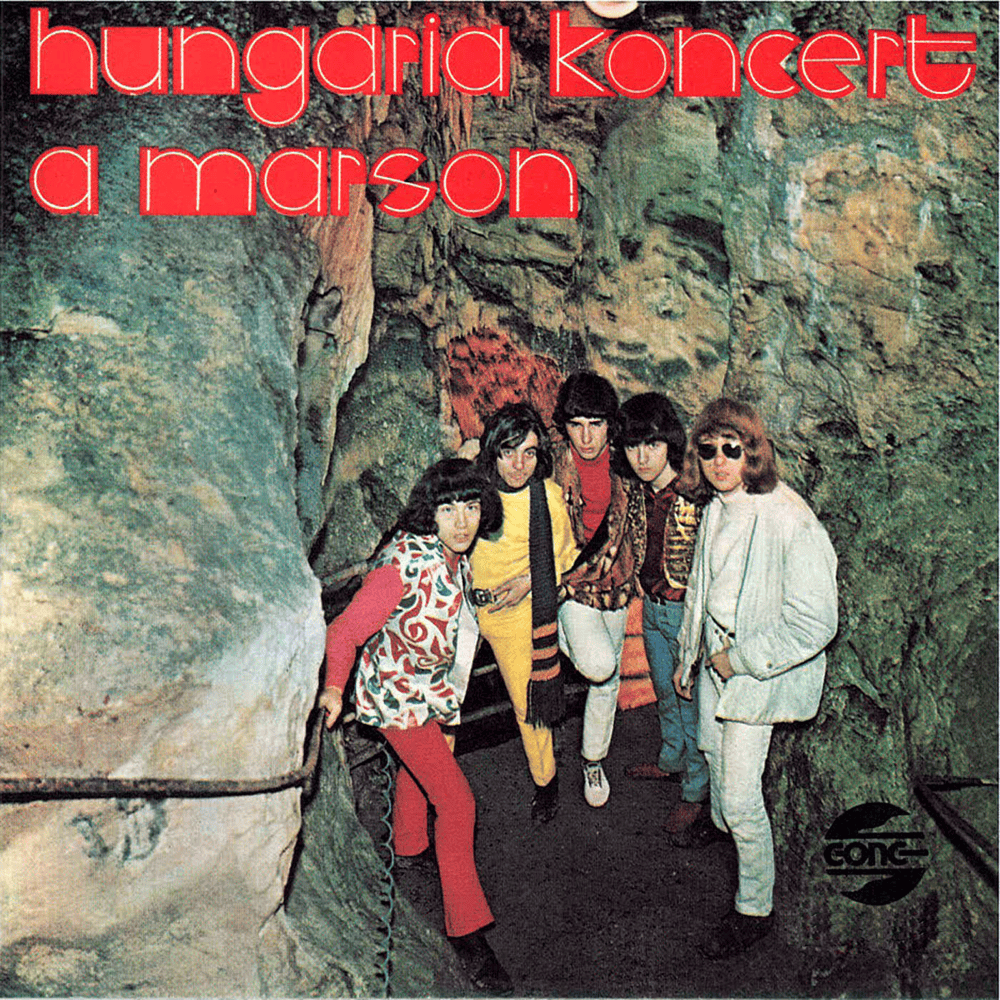
 View Artist