Song Meaning
The lyrics paint a picture of a frustrating stasis, a feeling of being stuck despite the passage of time. The opening lines, "Take hold, let go / Too late to fit the mold," immediately establish a sense of missed opportunity and an inability to conform. This is amplified by the contrast between "Weeks flow, years don't," suggesting a life that feels stagnant even as external markers of time march on. The narrator seems to be grappling with a societal pressure to achieve or conform, but finds themselves unable to, or perhaps unwilling to, play by the established rules.
The central tension arises from this internal conflict between the desire for progress and the reality of being trapped. The repeated phrase "We think we're havin fun / Say we're up to nothing good" highlights a self-deceptive cycle, a conscious choice to embrace a seemingly carefree, perhaps even reckless, lifestyle that is ultimately unfulfilling. The lyrics suggest a societal narrative where "control feeds the mad," implying that the pursuit of order or conventional success can be a destructive force, yet the alternative, a state of constant "run" and "slipping down too low," offers no real escape.
The most striking aspect of the writing is its cyclical and disorienting structure, mirroring the feeling of being trapped. The parenthetical section, with its insistent repetition of "figure out" and "can't get out," acts like an internal monologue of panic and confusion. The image of the "old skin wears thin / Shed over and over again" powerfully conveys a sense of repeated, failed attempts at transformation or renewal, leading to a feeling of vulnerability and exposure. The narrator is "fading in the open," a poignant image of disappearing while still visible, unable to truly move forward.
Ultimately, these lyrics resonate because they articulate a pervasive modern anxiety: the feeling of being caught in a loop, unable to break free from self-imposed or externally dictated limitations. The writing captures the disquieting sensation of knowing something is wrong, of sensing a need for change, but being paralyzed by indecision or the sheer difficulty of escape. The final lines, "Thicken your skin and you win / Give up before beginning," offer a bleak, almost cynical perspective on survival, suggesting that true progress might require a surrender to the very forces that hold one back, a paradox that leaves the listener contemplating their own sense of agency.
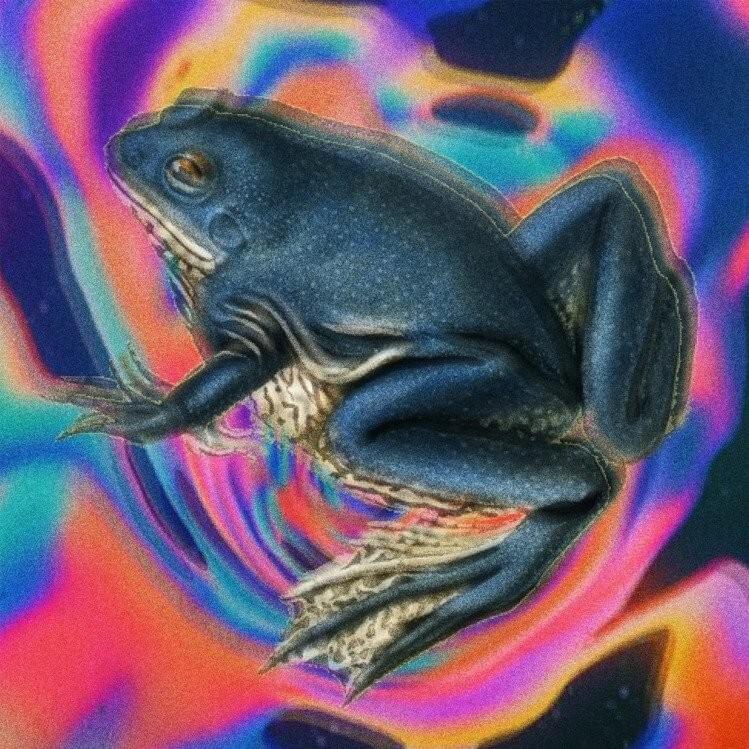
 View Artist