Song Meaning
The narrator declares themselves the "great pretender," a title that immediately sets a tone of self-deception and performance. This isn't about fooling others, but a deep internal act of denial, specifically "pretending I can't see." The opening lines establish a persona that actively avoids acknowledging some painful reality, creating an immediate sense of unease and internal conflict.
The lyrics paint a vivid picture of someone trapped in a role, like an actor forced to stick to a script they didn't write. This figure is prone to blaming others for their misfortunes, a classic defense mechanism. The imagery of a clown whose makeup runs while trying to reclaim lost possessions – heart, soul – underscores a desperate, almost pathetic attempt to regain control and identity. It suggests a profound sense of loss and an inability to find what truly matters.
The central tension seems to be between the performance of normalcy and the underlying despair. The narrator retreats into "solitude," embracing a "lonely night" as a perverse kind of lover, where pain itself becomes a boundary that paradoxically contains "passion." This is a person who has actively "buried the love that could not die," suggesting a deliberate act of emotional suppression to manage unbearable grief or a love that was too destructive to keep alive.
The effectiveness lies in the stark contrast between the outward persona and the inner turmoil. The "comic" who laughs while "tragedy sits on his shoulder" perfectly encapsulates this duality. The repeated invitation to "Have another drink" and the observation that the "night is so young" highlight a desperate attempt to escape the present moment and avoid confronting the waiting "hero" who is utterly incapable of saving the day. It’s a poignant portrayal of arrested development and the heavy cost of sustained pretense.
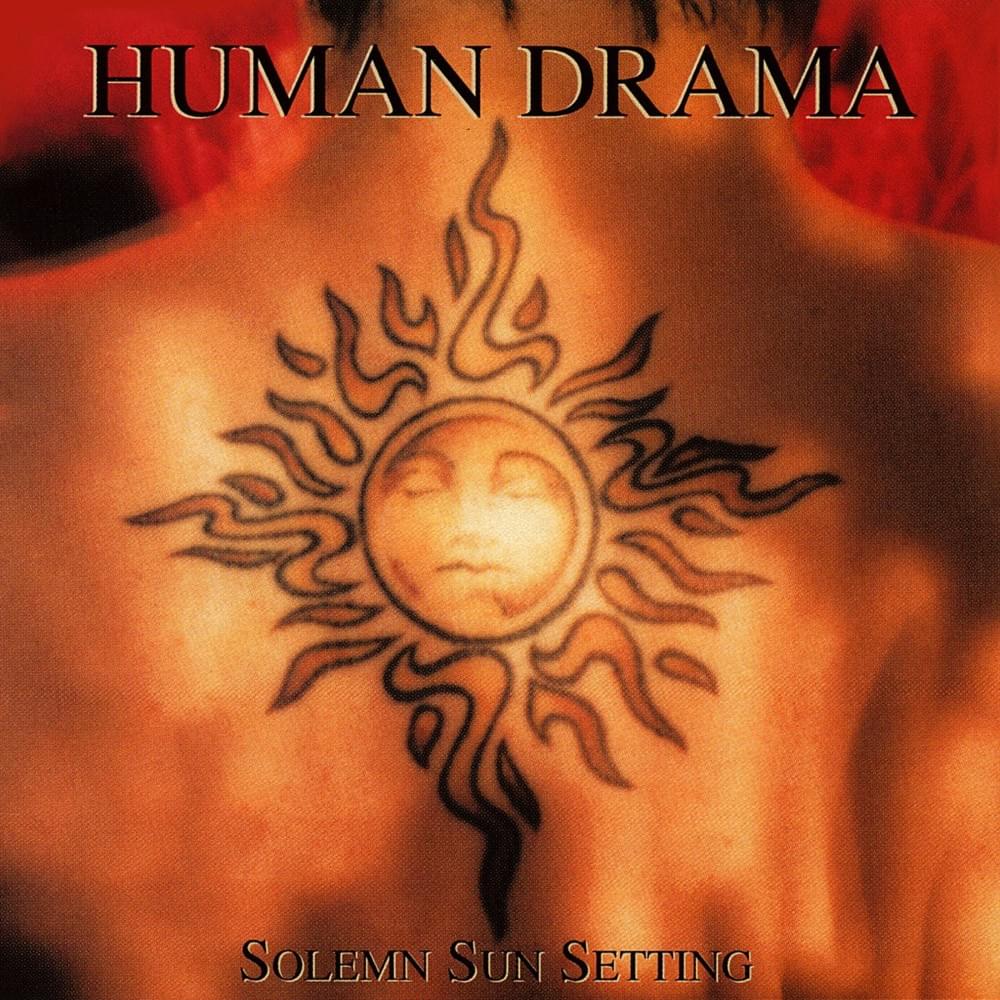
 View Artist