Song Meaning
The lyrics paint a picture of profound regret and unanswered questions directed towards a departed figure. The narrator is haunted by all the things they *meant* to ask, a litany of unfulfilled curiosity about the other person's experiences, particularly concerning war and hardship. There's a palpable sense of missed connection, a desire to understand the depth of their trials and how they endured them. The repeated phrase "I meant to ask you" underscores a lifetime of hesitation or perhaps circumstances that prevented these crucial conversations from ever happening.
The central tension lies in the narrator's belated attempt to grasp the essence of the other person's life and struggles. Questions about "the war," "rings of fire and steel," and whether "it left a scar" reveal a deep concern for the trauma and resilience of the person they addressed. The narrator grapples with the idea of fate and the choices made, wondering if the other person held back parts of themselves, especially their heart, and if they were ever truly "deceived." This introspection highlights the narrator's own feelings of inadequacy and their inability to truly know the person they are now mourning.
The chorus, with its solemn "Bang the drum slowly" and "Lay the pipes lowly," creates a powerful atmosphere of mourning and reflection. The imagery of "dust lead to air" and "In dust we begin" speaks to the cyclical nature of life and death, a profound acknowledgment of mortality. The narrator's declaration of speaking "of things holy" suggests a spiritual or deeply significant contemplation prompted by this loss, seeking meaning in the face of finality. The repetition of the chorus amplifies this sense of ritualistic grief and the enduring weight of these sacred, yet unasked, questions.
Ultimately, the effectiveness of these lyrics stems from their raw portrayal of regret and the universal human experience of realizing too late what truly matters. The specific, yet universally resonant, questions about war, hardship, and the inner life of another person, combined with the somber, ritualistic chorus, create a deeply moving meditation on loss and the unbridgeable gap left by unspoken words. The closing lines about the "new year hum" offer a faint glimmer of continuity, suggesting that life, and the memory of the departed, will persist despite the profound sense of what was left unsaid.
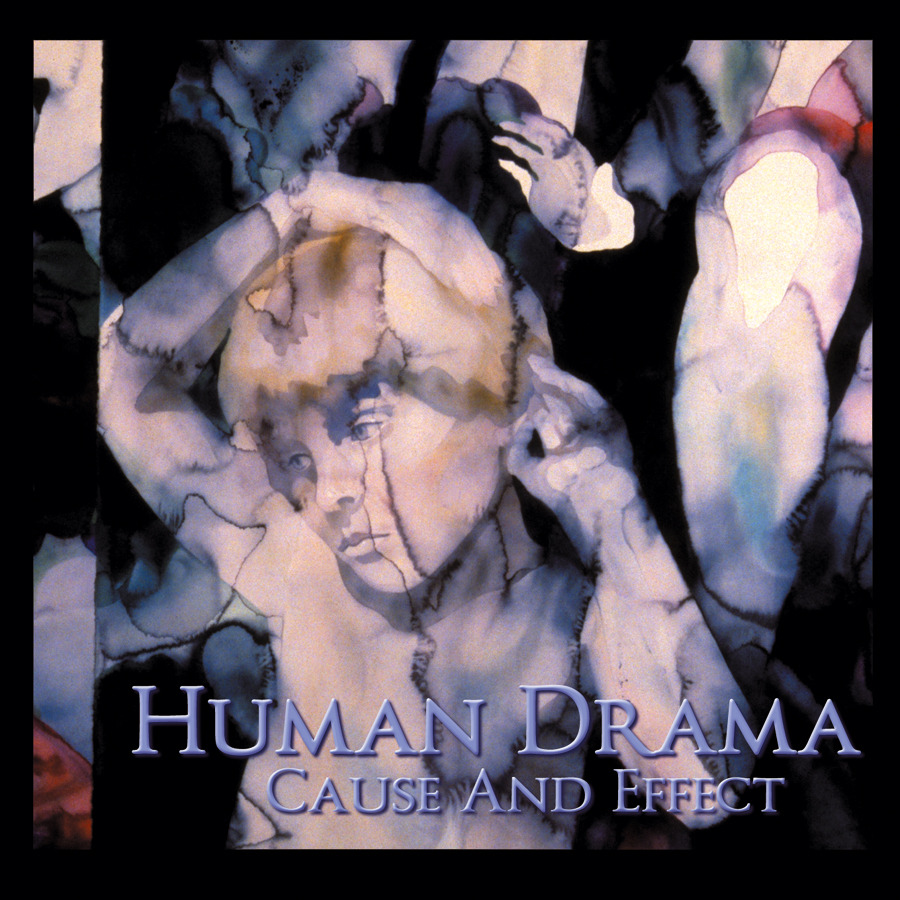
 View Artist