Song Meaning
The lyrics paint a picture of a speaker recalling a past innocence, a time when life flowed simply and beautifully, much like the elements described by a talking tree. This tree, a figure of nature's wisdom, found joy in the breeze and mist, while the speaker's own youthful experience was one of being overwhelmed, or perhaps, deeply affected by life's sensations. The initial contrast is set: the tree's simple appreciation versus the speaker's more profound, almost disorienting, emotional response to the world.
The core tension emerges as the speaker reflects on how this youthful connection to nature, symbolized by the tree and the flowing river, became intertwined with artistic creation and a profound sense of love. The act of forgetting everything to write a poem suggests a deliberate turning inward, a desire to capture or process these intense feelings. This dedication to art, however, seems to have come at the cost of a more grounded, less burdened existence, as love itself becomes the force that binds the speaker to the wind, a metaphor for forces beyond control.
A striking element is the shift in perspective from the speaker's childhood observations to a more mature, perhaps melancholic, understanding of life's complexities. The early verses recall running through grass, feeling life in the blood, and finding joy in simple things like flowers and green light. This contrasts sharply with the later admission of ignorance regarding "the stars that fall" and "the weight of shadows." This progression highlights a loss of naive wonder, replaced by an awareness of darker, more difficult aspects of existence.
Ultimately, the lyrics suggest a poignant realization about the nature of creation and sacrifice. The speaker's journey to an "island without a trace" for a bird to live implies an act of selfless dedication, perhaps to art or a loved one, seeking only "a little light." The final lines, however, deliver a devastating blow: the tree, a symbol of enduring nature and perhaps the speaker's past self, is dead without the speaker's presence, and the speaker is left to face their own mortality or spiritual reckoning. It's a powerful reflection on how our own growth and creative pursuits can inadvertently lead to the withering of what once sustained us.
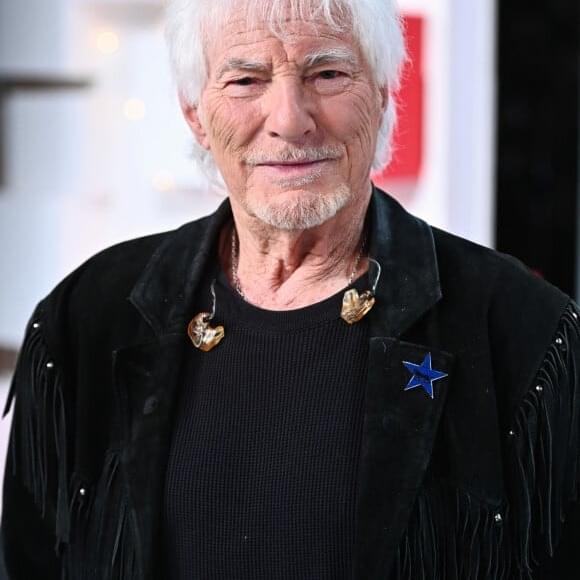
 View Artist