Song Meaning
The lyrics present a stark dialogue between a narrator burdened by immense sorrow and a figure named Tirelou, who offers pragmatic, almost dismissive advice. The narrator's opening lament, "Je suis affligé d'une grande peine," immediately establishes a tone of profound despair, met by Tirelou's curt instruction to "Couche-toi dans ton lit." This initial exchange highlights a fundamental disconnect: the narrator's existential anguish versus Tirelou's focus on basic physical comfort, which the narrator immediately refutes by stating, "Je n'ai pas de lit, pas de tête."
The narrator then recounts past experiences, painting a picture of a restless search for meaning or solace that consistently ends in confusion or danger. A visit to Paris leads to an encounter with a man whose "front bourré de connaissances" overwhelms the narrator, causing them to "perdre contenance." Later, a retreat to nature results in being mistaken for a werewolf by "châtelains," while an encounter with scientists nearly leads to a bizarre lunar expedition. These episodes suggest a pattern of alienation and misunderstanding, where attempts to connect or find answers are met with bewilderment or threat.
A striking element is the narrator's recurring despair, culminating in the desperate thought of suicide: "Pour me pendre s'il n'y a rien." This bleak outlook is directly contrasted by Tirelou's final, grounding suggestion: "prends la bêche en main / Aide-moi à planter mes choux..." This shift from existential dread to a simple, tangible task offers a potential, albeit understated, resolution. The repeated address "Tirelou" acts as an anchor, a constant plea for understanding or guidance in the face of overwhelming internal and external chaos.
Ultimately, the effectiveness of these lyrics lies in their portrayal of profound emotional suffering met with simple, almost mundane, practical advice. The narrator's journey through disorienting experiences and Tirelou's persistent, grounded responses create a powerful tension. The final image of planting cabbages suggests that perhaps meaning isn't found in grand quests or intellectual pursuits, but in the quiet, repetitive act of tending to the earth, a stark contrast to the narrator's initial "grande peine."
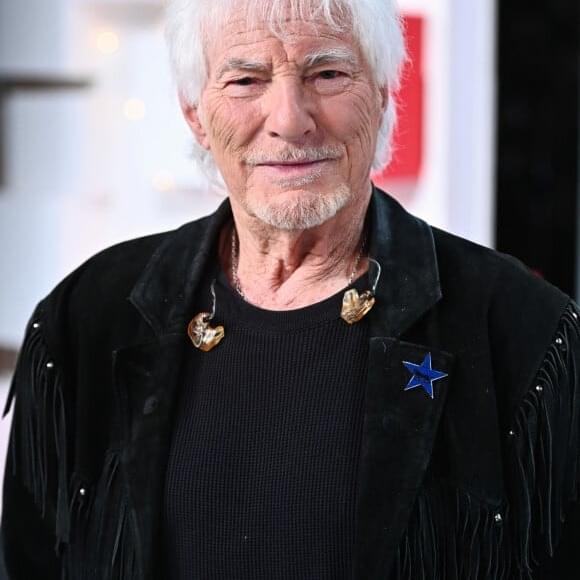
 View Artist