Song Meaning
These lyrics move through the unique months of the French Republican Calendar, charting both the changing seasons and the arc of a human life. It opens with stark observations of nature: "Blanche est la neige" in Nivôse, then "Grise est la pluie," and finally "noir est le vent." This establishes a clear, almost inevitable progression.
The central tension emerges as the narrative shifts to personal experience, mapping love and family onto the calendar. We see a relationship bloom, from "On s'est connu en Germinal" to marriage in Prairial. Then, a child is born and grows, only for "il est parti en Fructidor." The repeated phrase "Et puis" marks these transitions, often with a subtle hint of consequence or the quiet inevitability of time moving forward.
Perhaps the most striking craft element is the recurring color motif. The initial progression from white to grey to black, describing the weather, is powerfully echoed in the final stanza. Here, the colors are applied directly to existence: "La vie est blanche en Vendémiaire," then "grise en Brumaire," and finally "noire en Frimaire." This creates a profound, almost cyclical resonance, suggesting that life itself follows a similar, predetermined path from beginning to end.
Ultimately, these lyrics are effective because they use simple, unadorned language and a distinctive structural framework to explore universal themes. The specific, less familiar calendar months lend a timeless, almost detached quality to the narrative, allowing the listener to reflect on the quiet, relentless march of time and the profound, yet ordinary, journey of a life lived.
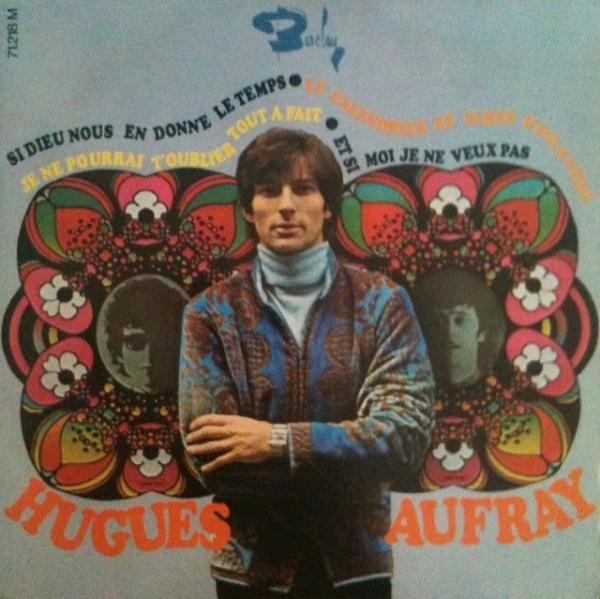
 View Artist