Song Meaning
The lyrics present a chillingly detached narrator who claims to be a "good citizen," accepting teachings without question. This persona is established through simple declarations: "My name means nothing, / My age even less." The narrator then connects this passive acceptance to a learned belief that "God is on our side," a phrase that becomes a recurring, unsettling refrain. This initial setup grounds the song in a sense of unthinking conformity, setting the stage for a disturbing examination of how this conformity is used to justify violence.
The central tension arises from the stark contrast between the comforting assertion of divine support and the horrific historical events the narrator recounts. The lyrics explicitly link "God is on our side" to the massacre of Indigenous peoples and the post-war shift in alliances where former enemies become friends despite past atrocities. The repeated phrase transforms from a simple statement of faith into a cynical justification for brutal actions, suggesting that this divine backing is not a moral compass but a convenient excuse for power and conquest. The narrator's uncritical acceptance of history, as taught, fuels this disturbing narrative.
The most striking craft element is the relentless repetition of "Dieu est à nos côtés" (God is on our side) juxtaposed with acts of extreme violence and moral ambiguity. This repetition, especially in the final stanza, becomes a desperate, almost sarcastic plea. The narrator questions if even Judas had God on his side, highlighting the ultimate problem of discerning divine will from human cruelty. The final lines, a weary demand for peace, are undercut by the conditional "If he is on our side!" – a profound expression of doubt born from a lifetime of witnessing the opposite.
These lyrics are effective because they expose a profound hypocrisy through a voice that is initially unremarkable and seemingly harmless. The narrator's passive agreement with historical narratives, coupled with the repeated, hollow invocation of God's support, creates a powerful indictment of blind faith and nationalistic exceptionalism. The song forces the listener to confront the uncomfortable idea that the belief in divine favor can be a mask for deeply problematic actions, leaving a lingering sense of unease and critical reflection.
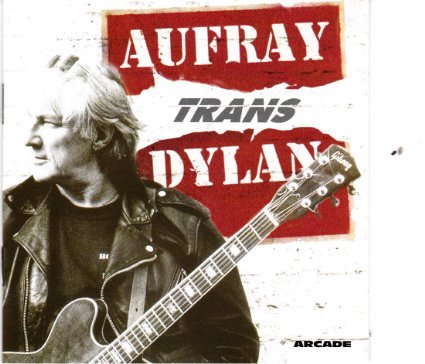
 View Artist