Song Meaning
This song presents a peculiar kind of love, built on a foundation of imagined future rejection. Hugues and Murielle trade lines about how they would signal their disdain, with Hugues threatening to wear a cap and Murielle vowing to braid her hair. It’s a strange, almost performative approach to affection, where the threat of its absence becomes a way to affirm its presence. The lyrics suggest a relationship where open declarations of love are less important than the unspoken understanding of what *not* to do.
The central tension lies in this inversion of emotional expression. Instead of saying "I love you," they outline the precise actions that would signify "I hate you." This creates a disquieting atmosphere, as if their bond is so fragile or so accustomed to conflict that only the negative can be clearly articulated. The repeated refrain of "Quand je te détesterai" and "Quand je ne t'aimerai plus" acts as a dark mantra, a constant, low-level hum of potential heartbreak.
The most striking craft element is the stark contrast between the initial conditional threats and the later, more tender imagery. After the grim pronouncements, Hugues shifts to offering a pillow for her head, the summer sky for her eyes, and his hand for hers. This sudden pivot from imagined hate to tangible affection is jarring. It’s as if the very act of contemplating the end of their love forces a desperate, almost overwhelming outpouring of care, highlighting the precariousness of their stated feelings.
Ultimately, the lyrics resonate because they capture a complex, perhaps unhealthy, but undeniably human dynamic. The imagined future rejection serves not as a genuine threat, but as a twisted form of reassurance. The narrator appears to believe that by acknowledging the possibility of hate, they are somehow fortifying their love. The song’s effectiveness lies in this unsettling paradox: the more they speak of ending things, the more they seem to bind themselves together through shared, albeit bizarre, declarations.
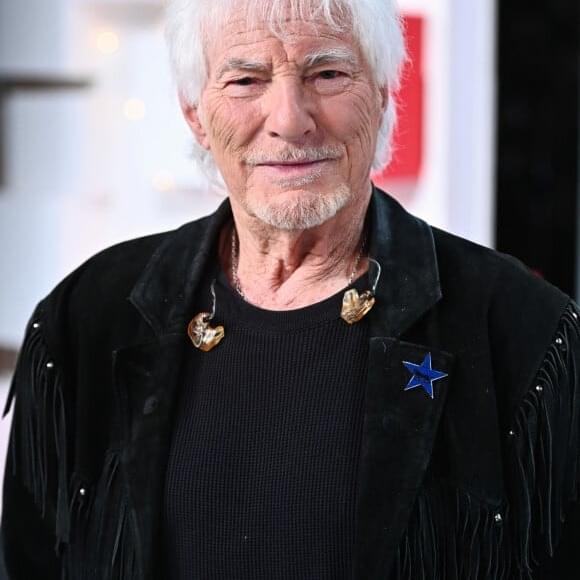
 View Artist