Song Meaning
The lyrics paint a tense, nocturnal chase scene, immediately establishing a sense of urgency and dread. The narrator is fleeing something, or someone, with the distant whistles of 'peelers' suggesting a pursuit that's already failing. The horses, despite their gallop, can't outrun the inevitable, creating a palpable feeling of being trapped by time itself. The core anxiety is clear: escape before sunrise.
The central conflict emerges with the introduction of the 'Nosferatu' figure. This entity is an unstoppable force, its 'cold grip' and 'lifeless eyes' evoking a chilling, inhuman presence. While the narrator and their companions face mortality – "We may die" – the Nosferatu is presented as eternal, destined to 'go on.' This contrast highlights the terrifying power imbalance and the existential threat at play.
The most striking craft element is the stark juxtaposition of the natural world and the supernatural threat. The imagery of horses and dawn grounds the scene in a familiar reality, yet it's utterly overwhelmed by the chilling description of the pursuer. The phrase 'no reflection' is particularly potent, stripping the entity of humanity and amplifying its vampiric, otherworldly nature. The repetition of 'distance' also subtly emphasizes the growing gap between escape and capture.
These lyrics resonate because they tap into primal fears of the unknown and the inescapable. The writing masterfully builds suspense through a ticking clock – the approaching dawn – and a relentless, inhuman antagonist. The final line, "but he'll go on Nosferatu," leaves the listener with a lingering sense of dread, a testament to the power of suggestion over explicit detail.
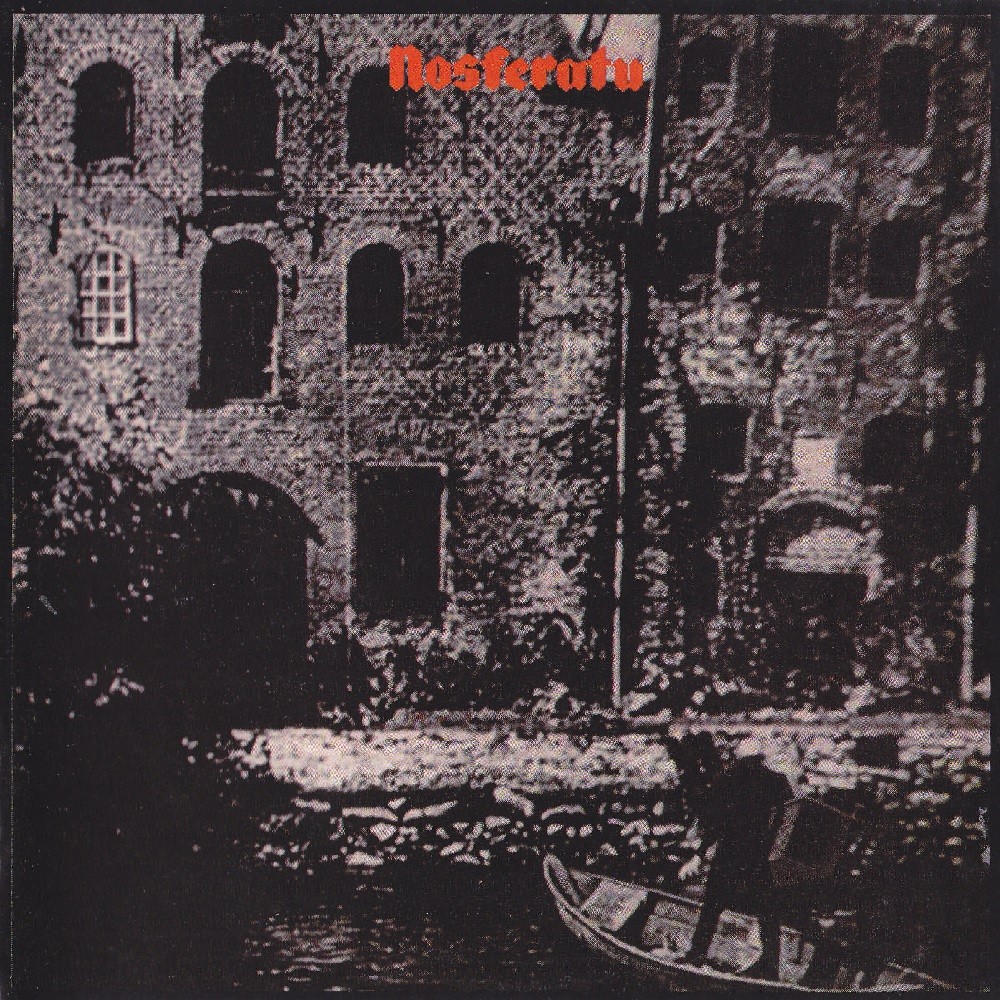
 View Artist