Song Meaning
The narrator is addressing someone, likely a friend, who is fixated on a woman who clearly wants to be left alone. The repeated command, "Stop trying, stop trying to call her," immediately establishes a tone of exasperated advice. It's a blunt intervention, cutting through whatever misguided intentions the listener might have. The core message is that this woman is self-possessed, "exactly what she wants to be," and doesn't need or want the listener's unsolicited help or sympathy. The narrator sees a disconnect between the listener's perception and the woman's reality.
The lyrics paint a picture of a woman who is outwardly composed but inwardly struggling. Phrases like "goes up and down but never goes out" and "shadow boxing loosing the bout" suggest internal conflict and a battle she's fighting alone, perhaps even against herself. The narrator observes this, noting "It tells a story of the sleepless nights," implying a hidden turmoil beneath a carefully constructed facade. This contrast between her outward appearance and inner state is key to the song's emotional weight.
The narrator's direct address, "You better open your eyes, hey," highlights the listener's apparent inability to see the truth. There's a subtle critique of the listener's self-deception or perhaps their projection onto the woman. The lyrics imply the listener is caught up in their own narrative, wanting to "help" or believing they "owe it to yourself" to intervene, rather than recognizing the woman's agency and her own internal struggles. The repeated chorus serves as a constant, almost weary, reminder to disengage.
Ultimately, the effectiveness of these lyrics lies in their sharp, observational tone and the clear delineation of perspectives. The narrator acts as a clear-eyed commentator, cutting through the listener's well-intentioned but misguided efforts. The song captures that frustrating moment when you see a friend clinging to a situation that's clearly not serving them, and the woman's complex inner life is hinted at rather than explicitly detailed, making her situation feel more real and less like a simple narrative.
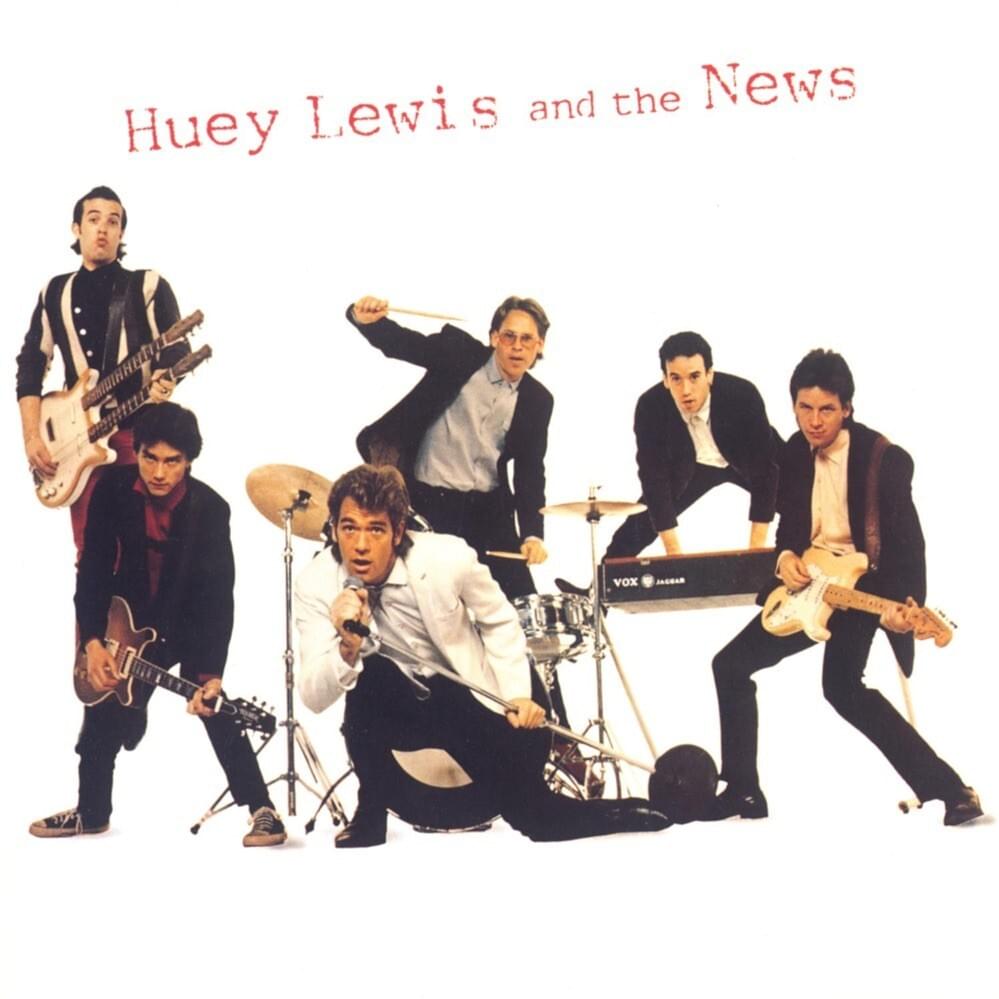
 View Artist