Song Meaning
The lyrics paint a picture of a tight-knit group, possibly friends or a crew, who learned early on the importance of solidarity. The narrator recalls a past where shared understanding and sticking together were survival tactics in their old neighborhood. This foundational lesson seems to have shaped their current outlook, where they and "the boys" operate with a shared ambition, believing that their connections will lead them to success. The core message is that mutual support is the key to navigating life's challenges and achieving their goals.
The central tension lies between the vulnerability of being alone and the strength found in companionship. The narrator explicitly states, "You could wind up stranded in the lost and found / So you better stick together." This fear of isolation is contrasted with the confidence derived from their collective "little plan." Even when facing personal struggles, like being "a tired runner in the human race," the immediate impulse is to seek out "a familiar face," reinforcing the idea that their strength is derived from their bonds.
The most striking element is the insistent repetition of "I never walk alone," acting as both a mantra and a declaration of their unwavering commitment to each other. This refrain is further solidified by the line, "I, I'm taking care of my own," which clarifies the nature of their solidarity – it's a proactive, protective bond. The lyrics suggest that this isn't just about shared good times but a deep-seated loyalty that provides a safety net against the harsh realities of the world.
Ultimately, the effectiveness of these lyrics stems from their directness and the palpable sense of camaraderie they evoke. By grounding the abstract concept of support in concrete phrases like "stick together" and "taking care of my own," the song creates a relatable narrative of chosen family. The simple, declarative chorus makes the central theme undeniable, leaving the listener with a feeling of warmth and the understanding that for this group, loyalty is not just a virtue but a way of life.
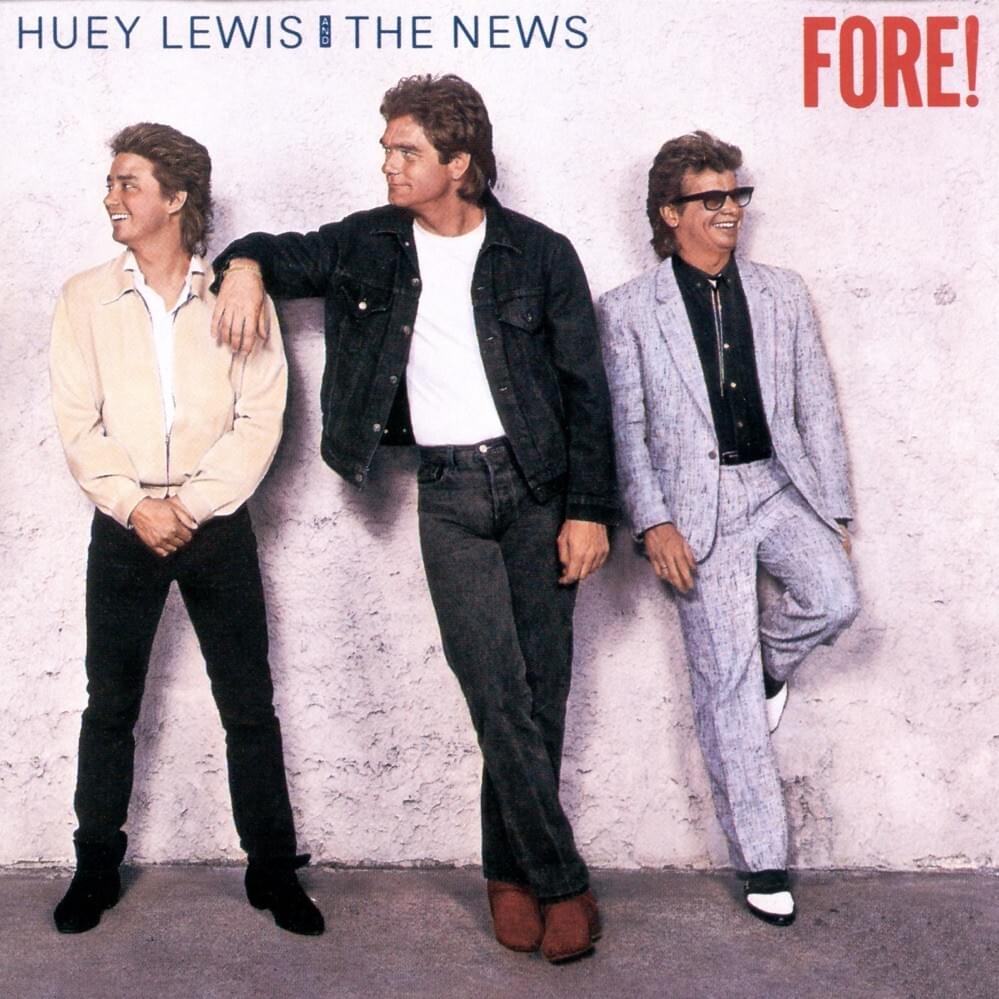
 View Artist